
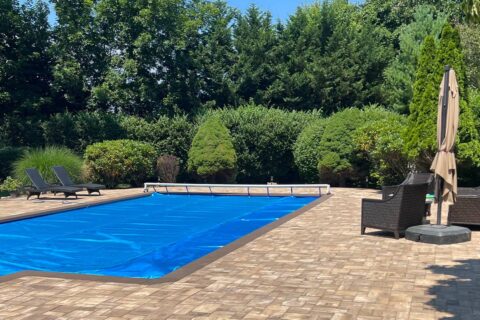
Pool Deck Installation Specialists
Pool Decks & Surrounds New Jersey
Let Us Transform the Look of Your Pool Area
With the vast options you can choose from, your pool deck can be different and unique from all the other properties around you. We take time to understand your specific needs and provide you with customized solutions that fit in perfectly with your budget.
Here at Omega Paving & Masonry LLC, we focus on functional yet aesthetically pleasing pool surround patios. We have built patios in the New Jersey area for over 20 years. We aim to give our clients a safe swimming pool area that they can enjoy for decades to come.
Whether you are looking for that beautiful classic concrete paving, natural stone or interlocking pavers, we can help. Our business is built on customer satisfaction and producing great results, we are licensed and insured and all our work is guaranteed for your peace of mind.
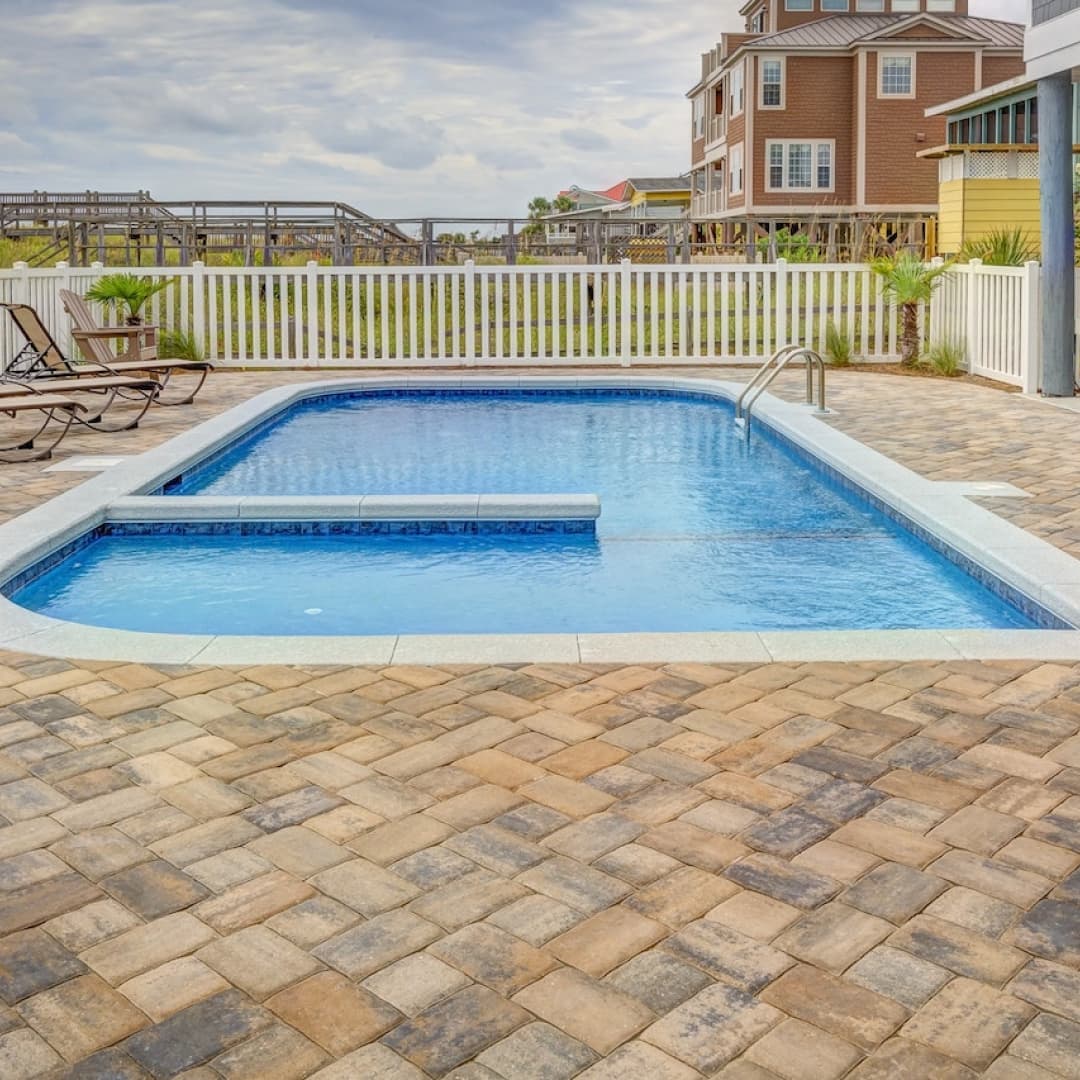

Advantages of Having a Paver Pool Deck in New Jersey
Pool deck pavers are a very versatile material and are available in concrete, natural stone and brick and the range of colors, designs, styles, shapes and sizes is almost unlimited. They are easy to install and maintain and many of them also have textured surfaces making them ideal for pool deck areas. More reasons as to why paver pool decks are a great choice include:
- Comfortable and safe for children to walk
- Can Customize your deck to match your pool
- Can withstand extremes of weather
- Resistant to wear and tear caused by foot traffic
- Comes in a wide variety of styles, colors, patterns and shapes
- Easy to maintain as compared to other pool deck options
Top Quality Pavers for Your New Jersey Pool Deck Project
Omega Paving & Masonry LLC only uses the best quality materials from well-known suppliers for our paver installation projects and these include:
- Flagstone
- Tumbled marble and marble
- Travertine
- Tile
- Brick and reclaimed brick
- Stimulated stone
- Rocks
- Thin pavers
- Permeable pavers
- Interlocking pavers
- Glass and mosaic
- Pre-cast stone.
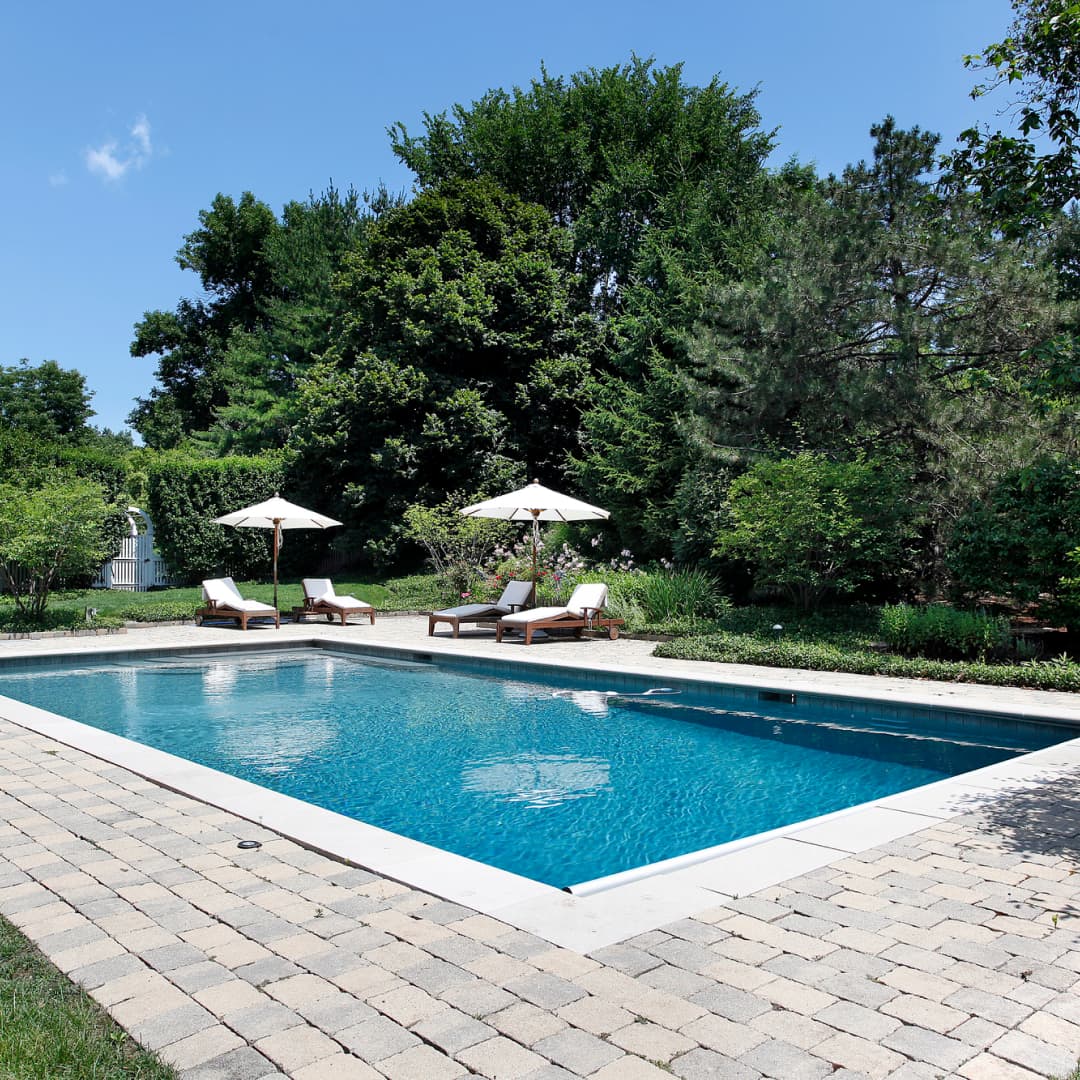
Expert Paving contractors
Customize Your New Jersey Pool Deck
We also ensure that the design aspects are planned to perfection and that the installation is first class and fits in perfectly with your budget.
Aesthetics – The pavers look amazing and the space looks elegant and unique.
Strength – The pavers are strong and durable. We use special installation techniques and ensure the pavers are carefully sealed.
Low Maintenance – Simple power washing is all that is required to keep them looking new.
Non-slip – As the pavers are textured, paver pool decks provide very good traction.
Repairs – In case any damage does occur, it is possible to repair them with the least amount of upheaval. They are easily available and matching the look is not difficult with replacement of individual units.
Cost effective – Since installation is simple and they are strong, durable and only basic maintenance is require, they become a very cost effective option in the long term.
Great Prices on all Jobs
We offer the unbeatable offers to all our customers and always provide high quality work at an affordable price. Give us a call on (908) 887-3295 or send us an email to johnnymurphyere@icloud.com for any available slots.
100% Work Guaranteed
All our asphalt, masonry and paving works are long-lasting and fully guaranteed. This is to give you a peace of mind so you can relax knowing your driveway and patios are covered for years to come.
Specialist Paving Company
Looking to transform your New Jersey pool deck? Then choose Omega Paving & Masonry LLC today.
Most of our work comes from recommendation by existing customers, which is a testament to our level of service and workmanship.
Our clients benefit from a skilled workforce with a track record of integrity and professionalism and all our paver pool deck services are of high quality and cost effective.
With our commitment to quality and reliability, competitive prices, and our guarantees, we remain the preferred paver pool deck contractors in New Jersey.
You can rely on our expertise and professionalism when it comes to quality pool deck solutions.
- Qualified and experienced staff
- All work guaranteed
- No call out charges
- Competitive local pricing
- Free site surveys
- No obligation quotations
- Fully licensed and registered local company
- Reliable, trusted, and friendly staff
- Installation, maintenance, and repairs
- Highly recommended
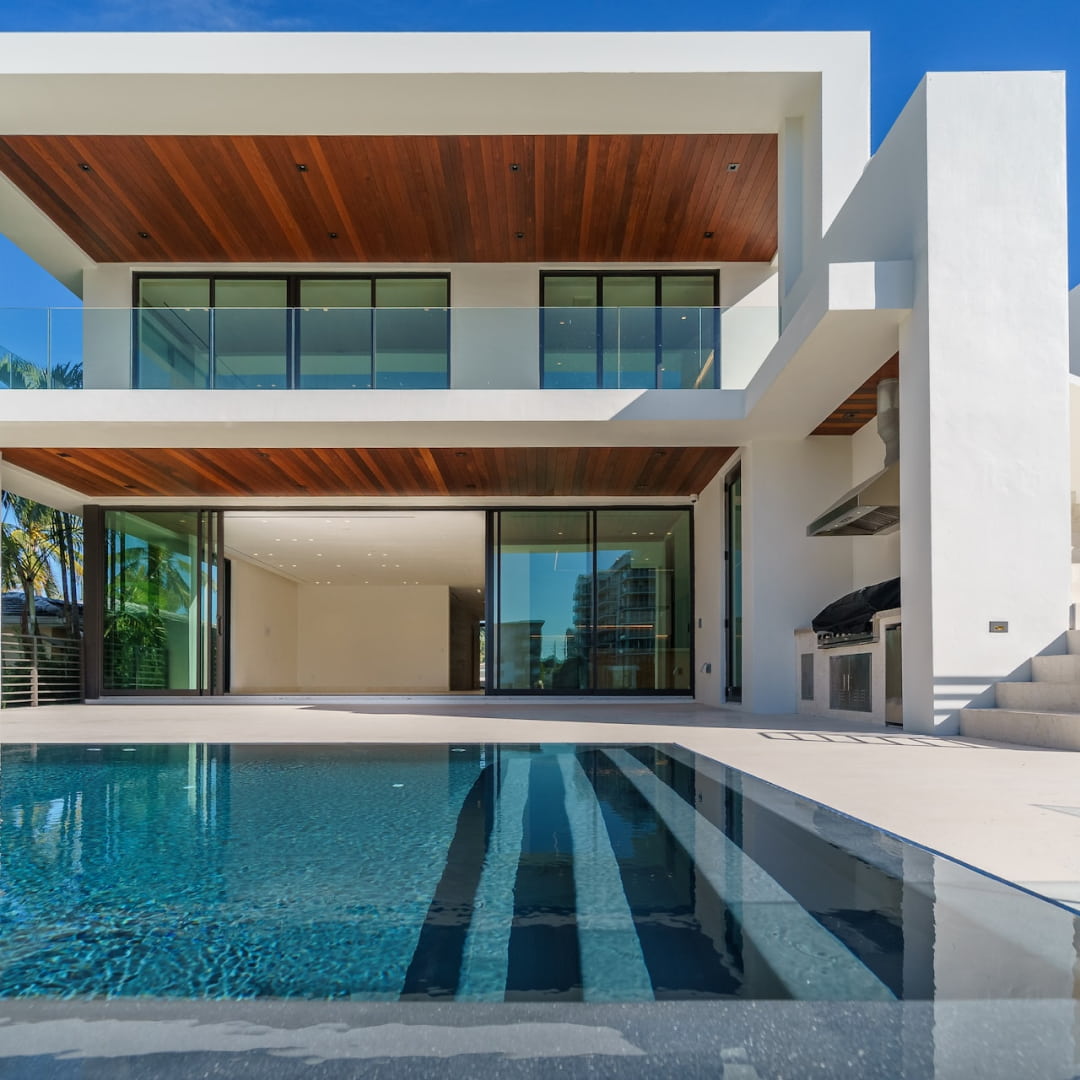
Ready to start your journey with us?
Get a free quote today.
FAQs for Paving
If you’re searching for commercial asphalt paving companies, you’re probably managing a property where the pavement is more than “just a parking lot.” It’s your first impression, your safety surface, your drainage system, and in many cases, your liability risk.
At Omega Paving & Masonry LLC, we help businesses, HOAs, property managers, retail centers, warehouses, and office parks across New Jersey (and nearby PA areas) plan commercial paving projects that hold up under traffic, weather, and time. We’re fully licensed and insured, and we focus on long-term performance, not quick cosmetics.
Commercial paving is different than residential (here’s why)
A driveway can fail slowly. Commercial pavement can fail fast because it deals with:
- Delivery trucks and heavy wheel loads
- Frequent turning and braking at entrances and loading areas
- Higher water volume and drainage demand
- ADA and striping requirements
- Customer and employee safety expectations
Commercial asphalt isn’t just about laying new blacktop. It’s about building the right structure for your traffic and your site conditions.
What a solid commercial paving scope should include
When you hire commercial asphalt paving companies, you should expect a clear, written scope that addresses the real causes of failure, not just the surface.
1) Site evaluation and drainage plan
Most commercial pavement problems start with water. If the lot holds water, the asphalt breaks down faster. A good plan includes proper pitch, catch basin considerations, and correcting low spots so water moves where it should.
2) Subgrade and base preparation
This is the foundation. If the base is weak, the asphalt will reflect it with ruts, dips, and cracking. Commercial lots usually require stronger base work than residential areas, especially around:
- Truck lanes
- Dumpster pads
- Loading docks
- Drive aisles and high-turn zones
3) Proper asphalt thickness for your traffic
Commercial lots are not one-size-fits-all. The right asphalt thickness depends on how heavy the traffic is and where it concentrates. A quality contractor will recommend thickness based on use, not guesswork.
4) Phasing and logistics (so your business can still run)
A professional commercial paving job considers how customers, employees, and deliveries will continue during the work. That includes:
- Phased paving schedules
- Temporary access routes
- Clear signage and barricading
- Off-hours work when needed
5) Line striping, markings, and final details
Striping is not an afterthought. Good layout improves flow, safety, and curb appeal. Many commercial properties also need:
- ADA-compliant spaces and access aisles
- Fire lanes and directional arrows
- Crosswalks and loading zone markings
- Wheel stops and signage coordination
Common commercial asphalt services property managers request
Commercial paving is often a mix of solutions, depending on pavement condition and budget:
- Full-depth reconstruction for lots with base failure
- Asphalt milling and resurfacing to restore grade and prep for a new overlay
- Overlay (resurfacing) when the base is stable but the surface is worn
- Infrared patching or saw-cut patching for failing sections
- Crack sealing and sealcoating as a preventative maintenance plan
- Patching and pothole repair for safety and liability reduction
- Concrete curbs, aprons, and masonry work where transitions need strength
If your lot is starting to “alligator crack,” rut, or constantly puddle, it’s usually a sign the pavement needs more than surface touch-ups.
How to choose the right commercial asphalt paving company (without overthinking it)
Here are the practical questions that instantly tell you whether you’re dealing with a true commercial paving contractor:
- What is the plan for drainage and low spots?
If they don’t discuss water flow, expect problems later. - What base work is included, and how will it be compacted?
Commercial results depend on compaction and structure. - Will you recommend milling, overlay, or reconstruction based on condition?
The solution should match the pavement failure type, not just the budget. - How will you phase the job to keep the property operating?
Commercial paving should protect access and minimize disruption. - Is striping included, and will the layout be reviewed before paint?
A quick layout check prevents costly rework.
A simple rule that saves money: maintenance beats emergency repairs
The cheapest time to fix asphalt is before it falls apart. A basic maintenance plan can help reduce the need for major repairs by addressing:
- Small cracks before water enters the base
- Surface oxidation before it becomes brittle
- Ponding areas before they become potholes
For many properties, a smart approach is a yearly inspection plus scheduled crack sealing and sealcoating where appropriate.
Commercial asphalt paving in New Jersey with Omega Paving & Masonry LLC
Omega Paving & Masonry LLC proudly serves New Jersey with commercial asphalt paving, milling, repairs, and masonry support work. If you manage a retail plaza, HOA, office building, industrial yard, or multi-family property, we can help you choose the right paving strategy that fits your traffic, drainage needs, and budget.
If you’re searching for asphalt milling companies, you’re probably dealing with pavement that looks worn out, feels rough to drive on, or keeps giving you the same problems every year — cracking, potholes, puddles, or an uneven surface that just keeps getting worse.
Here’s the good news: sometimes you do not need to rip everything out and start from scratch.
That’s where asphalt milling comes in.
At Omega Paving & Masonry LLC, we help homeowners, property managers, and businesses across New Jersey make the right call — whether milling is the best first step, or whether your pavement needs a different approach. We’re fully licensed and insured, and we treat every job like it’s going in front of our own building.
What is asphalt milling (in simple terms)?
Think of asphalt milling like a “reset button” for your pavement.
Milling removes the top layer of worn asphalt at a controlled depth — usually enough to eliminate the damaged surface and create a clean, textured base for new asphalt to bond to.
It’s not guesswork. It’s precise.
Instead of piling new asphalt on top of old problems, milling lets you:
- remove the failing layer
- correct surface height
- improve drainage flow
- prep the pavement the right way before resurfacing
Why people in New Jersey choose milling
New Jersey pavement takes a beating. Heat, freezing temperatures, plows, salt, heavy rain, delivery trucks — it adds up. Milling is often the right solution when the surface is failing but the foundation may still be in decent shape.
Here are the most common reasons customers call us for milling:
1) Your pavement keeps holding water
If water sits on asphalt, it starts breaking it down faster. Pooling usually means the surface grade is off. Milling can remove high spots and reset the profile so water flows the way it should.
2) Your lot or driveway is too high after past work
A lot of properties have had multiple overlays over the years. Eventually, asphalt gets too high at:
- garage entrances
- sidewalks and curbs
- catch basins and drains
- loading docks
- door thresholds
Milling removes the extra height before a fresh layer goes down, so everything lines up again.
3) You’ve got widespread cracking but the base might still be okay
If your asphalt is cracked across the surface but not completely collapsing underneath, milling can remove the distressed layer and give you a stronger overlay result.
4) You need smoother driving and safer walking
Bumpy pavement isn’t just annoying — it can be a safety issue. Milling is a great way to eliminate ruts, uneven transitions, and rough sections before resurfacing.
What the milling process looks like
Here’s what a typical milling job looks like when it’s done correctly:
- We walk the site and inspect the problem areas
Low spots, drainage flow, edges, transitions — we look at the real cause, not just the symptoms. - We set the milling depth based on what the pavement needs
Not every job needs the same depth. The goal is to remove what’s failing and keep what’s still strong. - We mill the surface cleanly and evenly
The milling machine removes the asphalt and leaves a textured surface that’s ideal for bonding. - We clean up and prep the surface properly
This part matters. A clean surface helps the next layer perform better and last longer. - We pave the new layer (overlay) or complete the next repair steps
Depending on what we find, we may recommend patching weak areas before the final paving.
A bonus most people like: milling is recyclable
One thing customers feel good about is that asphalt millings are often reused. The material removed during milling can be recycled into new asphalt mixes, which reduces waste and makes practical use of existing material.
How to choose the right asphalt milling scope (without getting overwhelmed)
When you talk to an asphalt milling contractor, the key is clarity. You want answers to questions like:
- How deep are you milling and why?
- Will milling fix the drainage problem or is the base failing too?
- How will you handle transitions at curbs, aprons, and drains?
- What happens after milling: overlay, patching, leveling, or full reconstruction?
- Is cleanup and surface prep included before paving?
If a scope is vague, the results can be vague too. A clear plan is how you get a clean finish.
Omega Paving & Masonry LLC serving New Jersey
Omega Paving & Masonry LLC proudly serves New Jersey with asphalt milling, paving, and masonry services. If your pavement is rough, uneven, too high, or holding water, milling might be the most efficient way to get it back to a smooth, durable surface — and set it up properly for resurfacing.
It is important to know that a sealer will help when it comes to resisting stains and, in some cases, there are sealers that can help the coloration of the pavers, enhancing it and deepening it. With that being said, we recommend that you experiment and test any sealer before using it.
If you have ever stood at the window after a snowstorm, coffee in hand, staring at your cracked driveway thinking, “Yeah… this can’t survive another winter,” you are not alone.
In New Jersey, driveways take a beating. Between freeze thaw cycles, road salt, summer heat, and the occasional Nor’easter, choosing the right driveway material matters more than most homeowners realize.
As experienced asphalt companies in New Jersey, this is one of the most common questions we hear from homeowners.
“Should I go with asphalt or concrete?”
Let’s walk through the real differences in a way that actually makes sense for New Jersey homes.
Why Driveway Choice Matters in New Jersey
New Jersey’s climate is tough on pavement. According to NOAA climate data, repeated freezing and thawing causes expansion beneath driveways, which leads to cracking and surface failure over time.
https://njclimateresourcecenter.rutgers.edu/wp-content/uploads/2025/08/State-of-the-Climate-2024.pdf
That is why what works in warmer states does not always work here. The right material depends on your budget, how much maintenance you are comfortable with, and how you use your driveway day to day.
Asphalt Driveways in New Jersey
There is a reason asphalt driveways are everywhere in towns like Edison, Woodbridge, and Cherry Hill.
“Asphalt is forgiving. It flexes when the ground moves instead of cracking right away.”
Why Homeowners Choose Asphalt
- Lower upfront cost
- Faster installation, often completed in a day
- Performs well during freeze thaw cycles
- Easier and more affordable repairs
Asphalt is a strong choice for homeowners who want a clean look without a large upfront investment.
Best for:
- Busy households
- Long or sloped driveways
- Budget conscious homeowners
Concrete Driveways for NJ Homes
Concrete driveways feel solid, and when installed correctly, they can last for decades.
“Concrete does not bend. It holds its ground.”
Why Some Homeowners Choose Concrete
- Longer lifespan
- Less routine maintenance
- Light color reflects heat
- Decorative finish options
Concrete can crack in harsh winters, and repairs are typically more expensive compared to asphalt.
Best for:
- Short driveways
- Low traffic use
- Homeowners focused on long term durability
Asphalt vs. Concrete Comparison for New Jersey
| Feature | Asphalt | Concrete |
| Upfront Cost | Lower | Higher |
| Installation Time | 1 to 2 days | Several days |
| Cold Weather Performance | Very good | Moderate |
| Repair Cost | Lower | Higher |
| Maintenance | Sealcoating | Occasional cleaning |
| Lifespan | 15 to 25 years | 30 plus years |
FAQs
Which is better, concrete or asphalt?
There is no universal answer. For New Jersey homes, asphalt often performs better because it handles freeze thaw cycles more effectively. Concrete can last longer but is more expensive to repair if damage occurs.
Is asphalt cheaper than concrete?
Yes. Asphalt is generally cheaper upfront than concrete, which is why many homeowners work with asphalt companies in New Jersey when installing or replacing a driveway.
What is the difference between asphalt, cement, and concrete?
This is a common point of confusion.
Asphalt uses bitumen as its binder.
Cement is a binding ingredient.
Concrete is cement mixed with sand, stone, and water.
Think of cement as flour and concrete as the finished baked product.
What are the advantages of concrete over asphalt?
Concrete offers a longer lifespan, less frequent maintenance, and more decorative options such as stamping or coloring. However, it comes with a higher upfront cost and less flexibility in cold weather.
Final Thoughts
Choosing between asphalt and concrete is not just about looks. It is about how your driveway holds up through New Jersey winters, hot summers, and everyday use.
“If you want flexibility, affordability, and easier repairs, asphalt is often the better choice in New Jersey. If long term durability matters more and the budget allows, concrete can be a solid option.”
If you are exploring professional paving services, you can learn more here: https://omegapavingandmasonry.com/asphalt-services/
In New Jersey, asphalt takes a beating—freeze/thaw cycles, de-icing salt, heavy rain, and daily traffic. So when your driveway or parking lot starts cracking and crumbling, the real question isn’t “Can it be fixed?” It’s:
Should you hire an asphalt patching contractor… or is it time for full asphalt replacement?
If you choose right, you can save thousands and buy years of extra life. If you choose wrong, you’ll keep paying for “repairs” that don’t hold.
Let’s make it simple.
What counts as “asphalt patching” vs “full replacement”?
Asphalt patching (localized repair)
Patching fixes specific damaged spots—potholes, broken edges, small areas of alligator cracking—by removing failed material and rebuilding that section. Full-depth asphalt patching is used specifically for localized distress that extends below the surface, like potholes and alligator cracking.
Omega Paving & Masonry describes common patching approaches like cut and patch, mill and patch, and infrared heating (great for blending and faster fixes in the right situations).
Full asphalt replacement (repaving/reconstruction)
Replacement means removing and rebuilding the surface (and sometimes the base). In pavement terms, reconstruction is replacing the entire pavement structure when it’s no longer performing.
The quick “better choice” answer
Choose an asphalt patching contractor when:
- Damage is isolated (a few spots, not everywhere)
- The pavement is mostly stable and still drains properly
- You want a fast, cost-effective fix (especially for safety hazards like potholes)
Omega also notes patching can reduce downtime, improve safety, and extend the functional life of existing asphalt.
Choose full asphalt replacement when:
- Cracking is widespread (especially alligator cracking across large areas)
- You’ve patched the same areas repeatedly
- You have sinking, heaving, soft spots, or standing water that keeps coming back
The biggest clue: alligator cracking (it’s not just “a crack”)
Alligator cracking is that web-like pattern in the wheel paths. Once it shows up clearly, simple crack sealing is usually ineffective, because it often points to structural weakness below the surface.
A good practical indicator: when alligator cracking becomes widespread (for example, over ~25% of the surface), pavement condition is often considered very poor—meaning bigger rehab decisions (not quick patching) usually make more sense.
Real-life NJ examples (so you can picture it)
Example A: “Trash truck destroyed one corner”
You have a driveway that looks okay overall, but there’s a pothole near the curb where heavy wheels hit.
Better choice: Asphalt patching contractor
A proper cut-out, rebuild, and compaction can restore that spot without tearing out the whole drive. This is exactly the kind of localized failure patching is meant for.
Example B: “Every spring, more cracks appear”
Your driveway has multiple areas of alligator cracking, and some sections feel slightly “wavy.” Water sits in low areas after rain.
Better choice: Full replacement (or at least a deeper rehab plan)
If the base is failing or drainage is poor, patching becomes a revolving door of repairs.
Example C: “Parking lot has 8–10 patches already”
You’ve got a commercial lot where patched areas are now cracking around the edges and potholes keep returning.
Better choice: Replacement (or a structured rehab like milling/overlay—depending on base condition)
Repeated patching in many areas is often a sign the surface has reached the point where you’re paying to “hold it together.”
Cost reality check (typical ranges)
Costs vary by site conditions, access, thickness, drainage, and how much base work is needed—but here’s a helpful baseline:
- Patching: commonly $100–$500 per repair for driveway-scale jobs (small-to-medium patches).
- Replacement: often $8–$15 per sq ft to replace an asphalt driveway (including removal and new install).
- New asphalt install (general): often $7–$13 per sq ft.
Simple math example:
If your 600 sq ft driveway needs several patches and the underlying base is weak, you might spend money year after year. If it truly needs replacement, doing it once can be cheaper than “patching forever.”
What local asphalt patching specialists should do (so the repair actually lasts)
Not all patching is equal. A patch that fails quickly is usually a process problem, not “bad luck.”
Strong patching typically includes:
- Cut clean edges around the failed area (not a messy blob on top)
- Remove unstable material until reaching firm support
- Tack coat to bond old and new material
- Place hot mix properly + compact in lifts
- Match grade and drainage (no birdbaths)
This aligns with industry guidance: remove distressed areas to firm material and replace with proper asphalt mix (especially for alligator cracking areas).
Omega’s patching page also outlines methods like cut and patch, mill and patch, and infrared heating, each suited to different types of damage.
The decision checklist (7 fast questions)
If you’re unsure, answer these:
- Is the damage isolated or everywhere?
- Isolated = patching
- Everywhere = likely replacement
- Do you see alligator cracking?
- A little in one spot = patching may help
- Lots of it = base failure risk (replacement plan)
- Do patched areas keep failing again?
- Repeat failures often mean structural issues.
- Does water pool after rain?
- Drainage problems shorten any repair’s life.
- Are there soft spots or depressions?
- That’s usually not a “surface-only” issue.
- How old is the asphalt?
- Older surfaces can become brittle and crack more easily, especially in cold climates.
- What’s your goal—short-term safety or long-term reset?
- Patching = targeted fix
- Replacement = new start
Maintenance tip that saves money (either way)
If you patch now, protect the rest of the pavement so you don’t chase new failures.
Omega recommends adding a new sealcoat every few years (they mention every 3–5 years) to reduce major repair needs.
Final thoughts
If your asphalt has a few problem spots, hiring an asphalt patching contractor is usually the smarter, cheaper move—especially when you need safe, quick access for cars or customers.
But if you’re dealing with widespread alligator cracking, drainage issues, or repeated repairs, full asphalt replacement is often the better investment.
Omega Paving & Masonry positions itself as a local NJ & PA contractor with 20+ years of experience, fully licensed and insured, offering both patching and full paving solutions—so you can get an honest recommendation based on the condition of your surface.
If you’re upgrading a driveway, patio, or walkway in New Jersey, the big question usually comes down to this: interlock pavers (interlocking concrete pavers) or a poured concrete slab?
Both can look great. Both can last for decades. But they behave very differently once you add real-life NJ factors—freeze/thaw, de-icing salt, heavy rain, tree roots, and the occasional delivery truck.
Below is a simple, real-world comparison to help you choose the better option for your home (and your budget).
First: What’s the difference?
Interlock pavers (interlocking concrete pavers)
These are individual concrete units placed over a compacted stone base with sand (or similar bedding), locked together with jointing sand, and held in place with edge restraints. If a section settles or gets stained, you can usually lift and replace just that area.
Poured concrete
This is one continuous slab poured and finished in place (broom finish, stamped, colored, etc.). It’s strong and clean-looking, but once it cracks or heaves, repairs can be more noticeable.
Quick comparison (the “most homeowners care about this” list)
1) Cracking and freeze/thaw in NJ winters
- Concrete slabs commonly crack over time. Some cracking is cosmetic, some becomes a trip hazard, and some leads to spalling (surface flaking), especially when freeze/thaw and de-icing salt are involved.
- Interlocking concrete pavers are “segmental” (many pieces), so they tend to handle movement better—if the base is built correctly. Technical guidance on interlocking concrete pavements highlights strong resistance to freeze-thaw and de-icing salts.
NJ takeaway: If your area gets a lot of freezing + salting, pavers often age more gracefully—but only with proper base prep and edge restraints.
2) Repairs: small fix vs big patch
- Pavers: If one corner sinks or a few pavers crack, a contractor can often lift, re-level, and reinstall that section. Homeowners like this “spot repair” advantage.
- Concrete: Repairs usually involve patching, resurfacing, or replacing sections—often visible because old and new concrete rarely match perfectly.
Real example: If a downspout dumps water near one corner and it settles, pavers can usually be re-leveled. A concrete slab might need cutting and replacement of that panel.
3) Upfront cost (typical ranges)
Prices vary by site conditions (demo, grading, drainage, access, edging, pattern complexity), but national pricing gives a useful baseline:
- Paver driveway: often $10–$30 per sq ft
- Concrete driveway (plain gray): often $5–$8 per sq ft
Simple budget example (about a 600 sq ft 2-car driveway):
- Pavers: ~$6,000 to $18,000+
- Concrete: ~$3,000 to $4,800+
(Your real number can shift a lot depending on demolition, drainage fixes, borders, and thickness.)
Budget takeaway: Concrete usually wins on upfront cost. Pavers often win on repair flexibility and long-term “keeps-looking-good” potential.
4) Drainage and heavy rain
If puddling is already an issue, drainage matters as much as the surface choice.
- Standard concrete is impermeable—water must run off somewhere (and that “somewhere” can become a problem).
- Permeable interlocking concrete pavement (PICP) is designed so water can pass through joints into a stone base reservoir. EPA guidance describes permeable pavements as durable alternatives that can detain and infiltrate stormwater.
- New Jersey specifically includes permeable interlocking pavers in its stormwater BMP guidance for pervious paving systems.
Drainage takeaway: If runoff, pooling, or soggy edges are a pain, ask about permeable paver options or a concrete design that includes proper pitch + drainage (channels, swales, or tie-ins where appropriate).
5) Maintenance (the honest version)
Pavers (interlock):
- You may need to top up joint sand over time (especially after pressure washing).
- Weeds can appear if joints aren’t maintained (they’re usually wind-blown seeds, not “weeds growing up from underneath”).
- Optional sealing helps with stain resistance and color longevity.
Concrete:
- Easier to hose off and keep looking “simple.”
- Sealing helps, especially if you use de-icing salt in winter.
- Cracks can happen even with good control joints—maintenance is more about managing cracks than preventing them entirely.
Which one is “better”? It depends on your goal
Choose interlock pavers / interlocking concrete pavers if you want:
- A premium look with lots of pattern and border options
- Easier spot repairs over time
- Better tolerance for small ground movement (when installed correctly)
- A potential path to better drainage (permeable systems)
Choose poured concrete if you want:
- Lower upfront cost in many cases
- A clean, simple surface (especially for modern-style homes)
- Quick installation (depending on weather and curing schedule)
- Less joint maintenance (no sand joints)
The “installation matters more than material” checklist (don’t skip this)
No matter what you pick, the contractor’s process is what determines whether it lasts 5 years or 25+.
If you’re doing interlocking concrete pavers, ask:
- How deep will the base be, and how will it be compacted?
- What edge restraints are included?
- What jointing sand is used (and is polymeric sand recommended for your site)?
- How do you handle drainage and low spots?
If you’re doing concrete, ask:
- How thick will the slab be for your use (cars vs heavier vehicles)?
- How are control joints planned (to manage cracking)?
- What finishing method is used for slip resistance?
- What’s the curing plan and sealing recommendation?
Also, in NJ, it’s smart to work with contractors who are licensed and insured and can show local examples of driveways/patios that have been through multiple winters (Omega Paving & Masonry notes they’re fully licensed & insured and provide asphalt, masonry, paver, patio, and commercial paving services across New Jersey).
My practical “rule of thumb” for New Jersey
- Front driveway with heavy use + winter salt: interlocking concrete pavers are often a strong long-term choice if the base is built right.
- Simple budget driveway or low-drama patio: concrete can be a good value—just plan for control joints, sealing, and the reality that cracks may appear.
- Drainage problems or runoff worries: ask about permeable paver designs or drainage improvements—don’t just “swap the surface” and hope it fixes the water.
Costs will vary depending on several factors such as the size of your pool deck and the type of pavers you would like to use. No two paver pool deck projects are the same. Contact us and we will be happy to provide a free site survey and no obligation quote.
If you’ve lived in New Jersey for more than a year, you already know one thing: our weather has a personality and it’s not always friendly.
One week it’s humid enough to feel like a sauna, the next we’re scraping ice off the driveway at 6 a.m. And if you’re anywhere near the shore, add salty air into the mix. All of that matters when you’re choosing masonry materials.
As experienced masonry contractors New Jersey homeowners rely on, we’ve seen what holds up and what quietly falls apart after a few winters.
“The biggest mistake we see? Homeowners choosing materials that look great on Pinterest but aren’t built for New Jersey weather.”
Let’s break down what actually works here and why.
Why New Jersey’s Climate Demands Smarter Masonry Choices
New Jersey sits in a humid continental climate, which means:
- Hot, sticky summers
- Freeze–thaw cycles in winter
- Heavy rain throughout the year
- Coastal salt exposure in many areas
According to the NOAA Climate Data for New Jersey, repeated freezing and thawing is one of the top causes of masonry cracking and failure if the wrong materials are used: https://njclimateresourcecenter.rutgers.edu/wp-content/uploads/2025/08/State-of-the-Climate-2024.pdf
That’s why local experience matters. A material that works in Arizona or Florida might struggle here.
Masonry Materials NJ Contractors Actually Trust (and Use)
Brick The Jersey Classic That Earns Its Reputation
There’s a reason you see brick homes standing strong in towns like Morristown, Montclair, and Princeton.
Brick handles moisture well, resists temperature swings, and when installed properly can last 50+ years.
“We still repair brickwork today that was installed before most of us were born.”
Best for:
- Home exteriors
- Chimneys
- Walkways
Concrete Block (CMU): Not Fancy, Just Solid
Concrete masonry units might not be flashy, but they’re dependable like that old pickup truck that never quits.
They’re widely used for structural walls and foundations because they’re strong, cost-effective, and easy to reinforce.
Best for:
- Foundations
- Retaining walls
- Structural support
Natural Stone: Built by Nature, Perfected by Craft
Bluestone patios. Fieldstone walls. Limestone accents.
Natural stone feels right in New Jersey because it’s been handling weather longer than any of us.
“Stone doesn’t fight the weather it ages with it.”
Best for:
- Patios
- Walkways
- Outdoor fireplaces
Stacked Stone Veneer: Big Style Without the Big Weight
If you love the look of stone but don’t need full-depth masonry, stacked stone veneer is a smart option.
It adds warmth and character without stressing the structure perfect for accent walls or fireplaces.
Best for:
- Exterior accents
- Interior features
Interlocking Pavers: Made for Freeze-Thaw Cycles
Ever notice how asphalt cracks after winter, but pavers often don’t? That’s because they move with the ground instead of fighting it.
Interlocking pavers are especially popular across New Jersey driveways and patios for that reason.
Best for:
- Driveways
- Patios
- Walkways
FAQs: Real Answers, No Fluff
What is a masonry contractor?
A masonry contractor specializes in building and repairing structures using brick, stone, concrete, and similar materials. More importantly, a good one understands local conditions — soil, moisture, and climate — not just materials.
What are the three types of masonry?
The three main types are:
- Brick masonry
- Stone masonry
- Concrete masonry
Each serves a different purpose depending on strength, appearance, and environment.
Does New Jersey require contractors to be licensed?
Yes. In New Jersey, contractors must register with the NJ Division of Consumer Affairs.
You can verify contractor registration here: https://www.njconsumeraffairs.gov/hic
“If a contractor won’t show you their registration, that’s your sign to keep looking.”
What are 5 examples of masonry materials?
Five commonly used masonry materials include:
- Brick
- Natural stone
- Concrete block
- Pavers
- Stucco (as an exterior masonry finish)
Final Thoughts: From One Jersey Homeowner to Another
Choosing masonry materials isn’t just about looks. It’s about how your home feels five, ten, twenty winters from now.
The right materials installed by experienced masonry contractors New Jersey residents trust save money, stress, and repairs down the line.
If you’re thinking about upgrading or repairing masonry, take a look at what local professionals offer here: https://omegapavingandmasonry.com/masonry-services/
Yes, you can install pavers on top of concrete but each installation project is different and it does depend on the state of the existing concrete.

Want to Know More?
Get in touch with us via this form and we'll get back to you regarding your asphalt & masonry enquiry.