
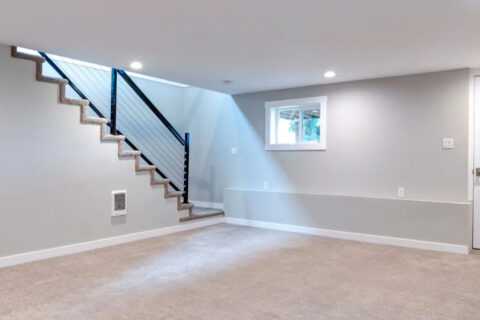
Basement Foundation Waterproofing Specialists
Local Basement Waterproofing Contractors
Have you got a musty, wet basement or crawl space? Damp basements and crawl spaces are something no homeowner should deal with alone. If you have tried DIY efforts to fix pooling water, cracks in your foundation, leaky basement windows or high humidity with little or no result, we can help. A wet basement or crawl space wastes valuable living space, damages building materials and stored possessions, pollutes the indoor air, risks the health of those living in the home and puts your investment at risk.
Omega Paving & Masonry LLC are local professional basement waterproofers you can trust with over 20 years of experience in New Jersey and the surrounding areas. We are trained in and devoted to the best waterproofing practices and are experts in the diagnosis of sub-grade moisture problems as well as the design and installation of proper drainage, moisture and humidity control and basement materials.
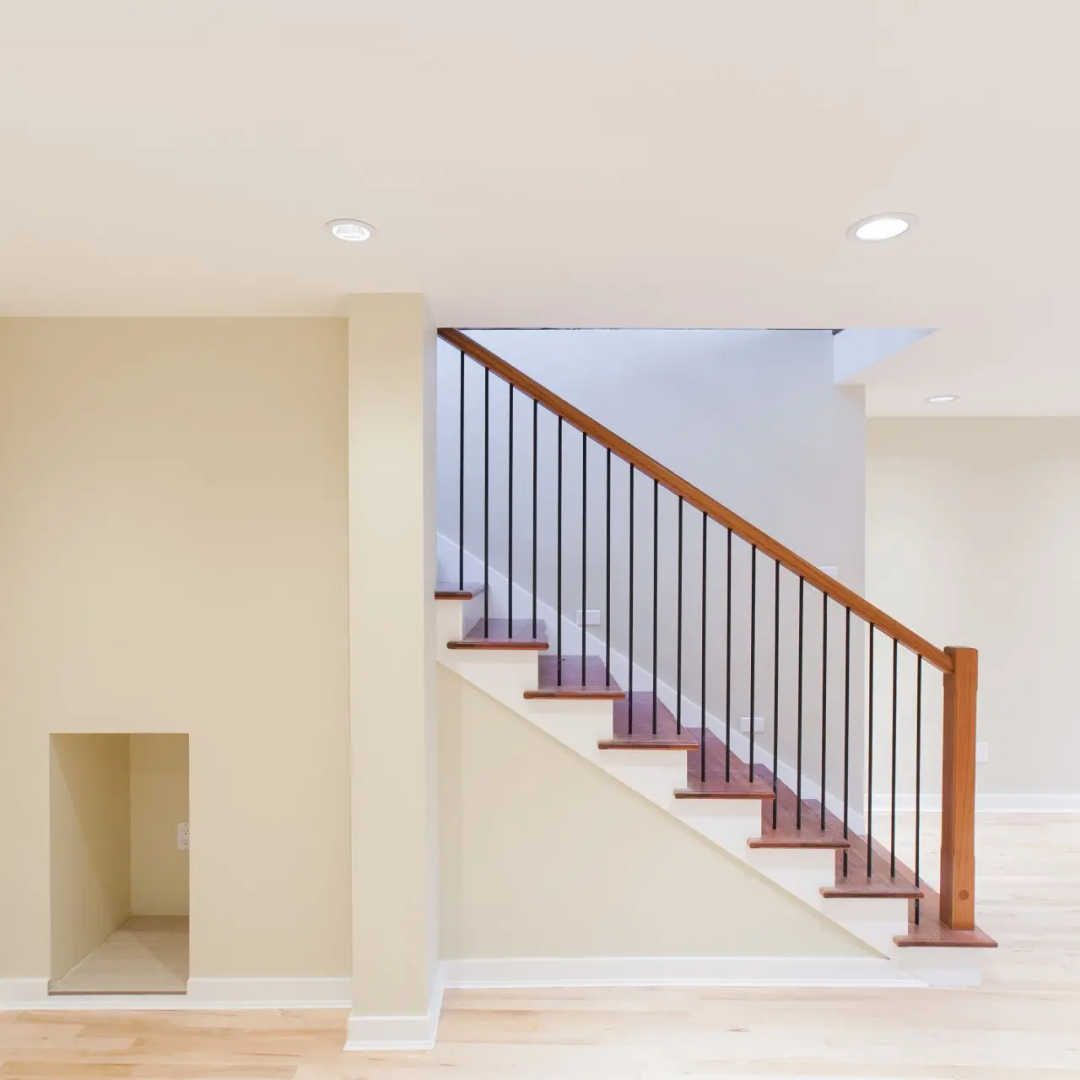

Professional basement contractors in New Jersey
We diagnose the source of the problem and have the training, expertise and experience to design and install an effective system that keeps your basement dry.
- Basement waterproofing
- Drainage and moisture control products
- Leak basement window repairs
- Crawl space encapsulation
- Industrial strength sump pumps
- Energy efficient self-draining dehumidifiers
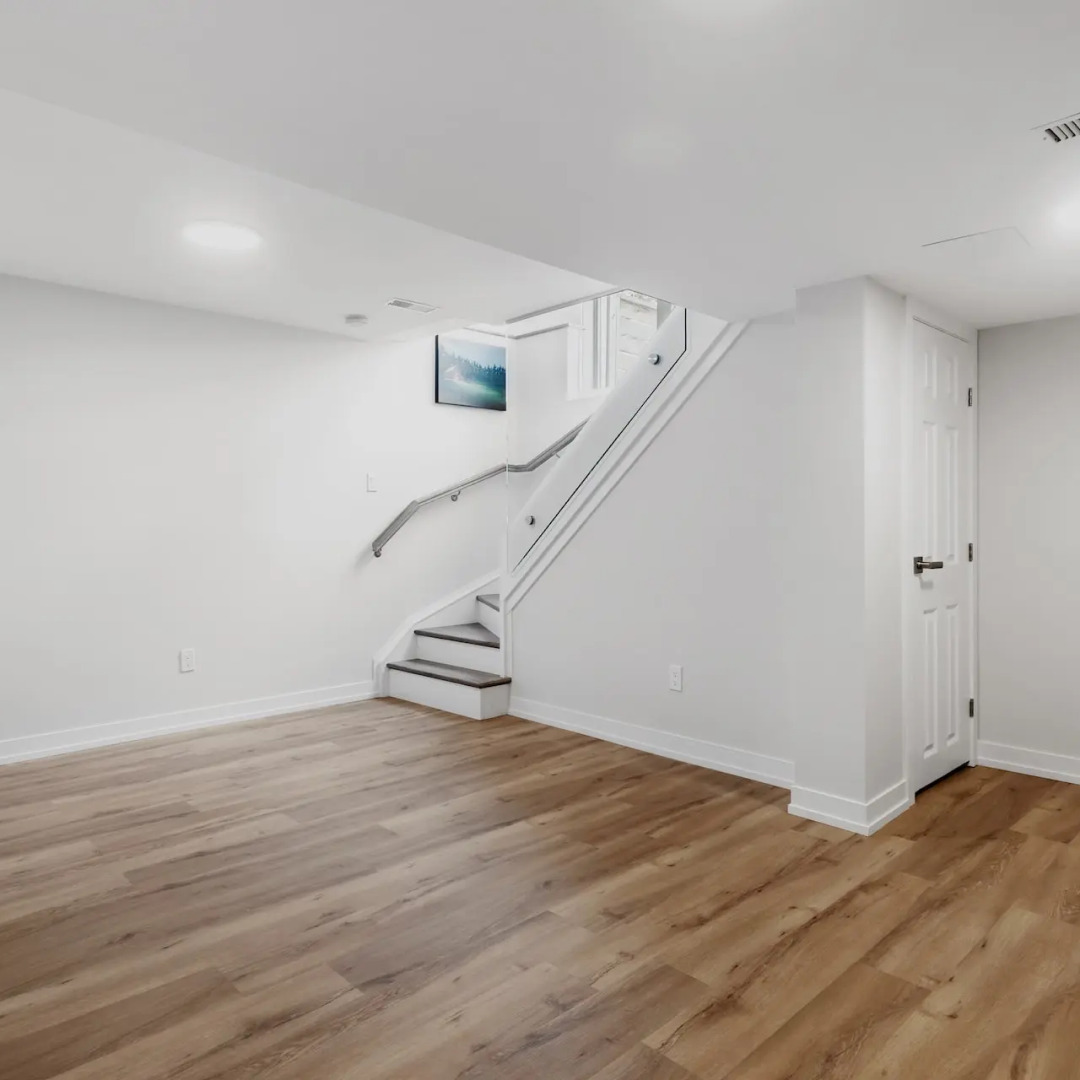
Experienced Waterproofing contractors
Affordable Basement Waterproofing & Crawl Space Repairs New Jersey
Our basement waterproofing experts have helped homeowners across New Jersey for decades, identifying the source of leaks, flooding, groundwater seepage and musty odors. With our cost effective range of waterproofing and moisture controls, we will install the right solution for your basement or crawl space.
We address every major basement or crawl space problem including moisture intrusion, flooding, leaky windows, structural rot and excessive humidity.
Great Prices on all Jobs
We offer the unbeatable offers to all our customers and always provide high quality work at an affordable price. Give us a call on (908) 887-3295 or send us an email to johnnymurphyere@icloud.com for any available slots.
100% Work Guaranteed
All our asphalt, masonry and paving works are long-lasting and fully guaranteed. This is to give you a peace of mind so you can relax knowing your driveway and patios are covered for years to come.
Expert Waterproofing contractor near me
Why choose Omega Paving & Masonry LLC for your basement waterproofing in New Jersey?
Our clients benefit from a skilled workforce with a track record of integrity and professionalism and all our basement waterproofing services are of high quality and cost effective.
With our commitment to quality and reliability, competitive prices, and our guarantees, we remain the preferred basement waterproofing company in New Jersey.
You can rely on our expertise and professionalism when it comes to quality basement waterproofing solutions.
- Qualified and experienced staff
- All work guaranteed
- No call out charges
- Competitive local pricing
- Free site surveys
- No obligation quotations
- Fully licensed and registered local company
- Reliable, trusted, and friendly staff
- Installation, maintenance, and repairs
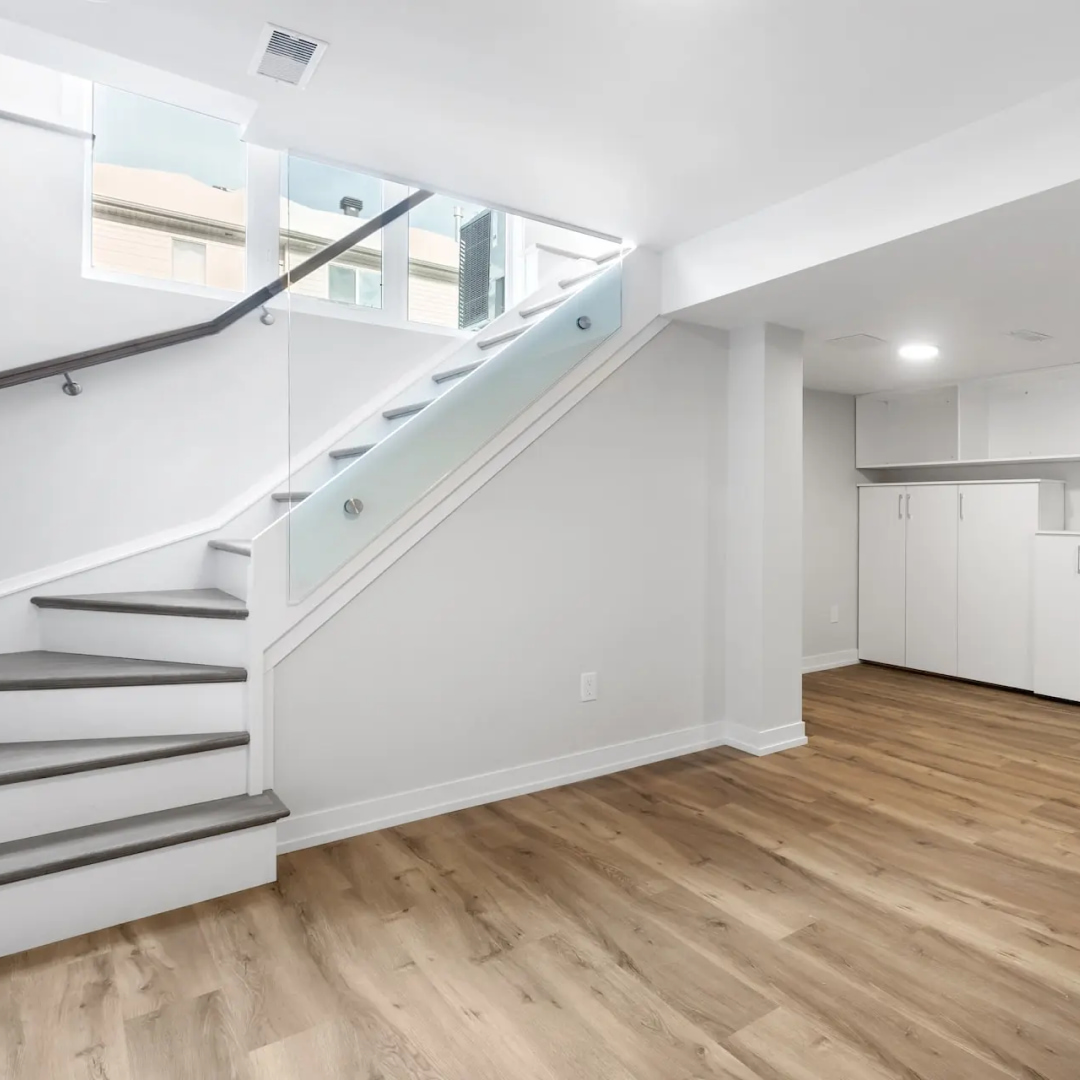
FAQs for Basement Waterproofing
Hiring the right basement waterproofing contractor in New Jersey can be the difference between a basement that stays dry for years and one that keeps flooding every time the weather turns.
The tricky part is that “waterproofing” can mean a lot of things. Some companies will offer a quick sealant. Others will design a full drainage and moisture-control system. And the right solution depends on why your basement is wet in the first place.
This guide breaks down what to look for, what to ask, and the red flags to avoid, so you can choose confidently.
Why it’s worth choosing carefully (a little “why this matters”)
Water problems aren’t rare. The Insurance Information Institute reports that about one in 67 insured homes has a property damage claim caused by water damage or freezing.
And once water gets inside, time matters. The EPA notes that if wet areas are dried within 24–48 hours, in most cases mold will not grow. The CDC and FEMA echo the same urgency around drying quickly after water exposure.
In other words: the right contractor isn’t just “fixing a wet spot.” They’re protecting your home’s structure, air quality, and future repair costs.
Step 1: Know what kind of “wet basement” you actually have
A good contractor will start with diagnosis, not selling. Here are the common patterns:
1) Seepage after heavy rain
You see damp walls, wet floor edges, or water trails after storms. Often tied to grading, downspouts, or hydrostatic pressure.
2) Standing water or repeated flooding
This usually needs drainage and possibly a sump pump system, not just surface patching.
3) Musty odor, humidity, condensation
Sometimes the basement isn’t “leaking” as much as it’s holding moisture. Humidity control (dehumidifier, ventilation, sealing air leaks) matters.
4) Specific leak points
Basement window leaks, wall cracks, joint lines, pipe penetrations, or a single corner that always gets wet.
Omega Paving & Masonry’s basement page specifically mentions diagnosis of sub-grade moisture problems and installing drainage, moisture/humidity control, basement window leak repairs, crawl space encapsulation, sump pumps, and dehumidifiers.
Step 2: Look for these 10 “green flags” in a basement waterproofing contractor
1) Licensed and insured (and willing to show proof)
This is non-negotiable. If there’s property damage or a worker gets injured, you do not want to be in the middle of it.
Omega Paving & Masonry states they are fully licensed and insured and guarantee their work.
2) They diagnose the cause, not just the symptoms
A real inspection should include questions like:
- Where does roof runoff go?
- Are gutters clogged or downspouts short?
- Does the yard slope toward the foundation?
- Are there low spots/pooling near the house?
- Is the water coming through walls, floor, or joints?
A helpful benchmark: building-science guidance commonly recommends the ground slopes away from the foundation, such as 0.5 inch per foot for 10 feet for permeable surfaces.
If a contractor doesn’t talk about drainage outside the home at all, that’s a concern.
3) They propose the right “category” of solution
Waterproofing typically falls into a few buckets:
- Exterior water management: grading, downspouts, drains, waterproof membranes
- Interior drainage systems: perimeter drains, sump pumps
- Crack and joint sealing: injection, sealants (only when appropriate)
- Moisture control: dehumidifiers, vapor barriers, crawl space encapsulation
Omega’s waterproofing service page lists multiple moisture protection methods (including below-grade waterproofing, damp proofing, sealants, and crystalline waterproofing).
A strong bid explains why the system fits your problem.
4) Clear scope of work in writing
You should get a written proposal that spells out:
- What will be installed (and where)
- Materials/equipment brands or specs (sump pump capacity, dehumidifier type, drain design)
- How long it will take
- Cleanup and disposal
- Warranty details (what’s covered and what’s excluded)
5) A drainage plan (even if it’s simple)
If downspouts dump water next to the foundation, waterproofing inside the basement is like mopping the floor while the faucet is still running.
You want a contractor who addresses surface water and hydrostatic pressure as part of the plan.
6) Realistic warranties and guarantees
A warranty should be written and specific. Be cautious of vague promises like “lifetime guaranteed” with no details.
Omega states “all work guaranteed” for their waterproofing services.
7) They talk about humidity (not just water)
Even after leaks are fixed, a damp basement can stay damp if humidity remains high.
Omega mentions “humidity control” and “self-draining dehumidifiers” as part of basement solutions.
A contractor who includes a moisture control plan is usually thinking long-term.
8) They explain what won’t work (and why)
Good contractors will say things like:
- “Waterproof paint won’t stop hydrostatic pressure.”
- “Sealing the inside only works if water isn’t actively pushing in.”
- “If the base drainage is wrong, cracks will keep reopening.”
If they promise a one-step miracle fix for every basement, be careful.
9) Local track record and references
Ask for local examples like your home type:
- Finished basement vs unfinished
- Older foundation vs newer
- Homes with window wells, bilco doors, or crawl spaces
Omega positions itself as a local NJ contractor with 20+ years of experience across waterproofing and related exterior work.
10) No pressure sales
Waterproofing is emotional (nobody likes water in their home), which is why high-pressure sales tactics are common. A professional company will let you compare options and decide.
Step 3: Ask these questions before you hire anyone
Use these questions to quickly separate “real pros” from “quick fix” sellers:
- What do you think is the main cause of my water issue?
- What’s your plan to manage water outside the foundation? (grading, gutters, downspouts, drains)
- Is this solution stopping water entry, controlling it, or both?
- Do I need a sump pump? If yes, why?
- How will you prevent mold risk during/after work?
(Remember: EPA guidance emphasizes drying within 24–48 hours to reduce mold risk.) - What exactly does your warranty cover and for how long?
- Will this system work if we get heavy rain back-to-back?
- What maintenance will I need?
- Can I speak to 1–2 local customers with similar work?
- What is excluded from your price? (electric, drywall, landscaping restoration, permits)
Step 4: Watch for these red flags
Avoid contractors who:
- Skip inspection and quote from a photo
- Only offer interior paint/sealant as the “main system”
- Won’t provide proof of insurance
- Won’t put warranty terms in writing
- Don’t mention drainage at all
- Push you to sign “today only” to get a discount
- Downplay mold risk or drying timelines
FEMA notes that mold colonies can start growing on damp surfaces within 24–48 hours, so this isn’t something to take lightly.
Step 5: Compare quotes the right way (not just by price)
When comparing waterproofing bids, the cheapest quote often excludes the most important parts.
Compare:
- Scope (full perimeter drainage vs spot fix)
- Pump/dehumidifier quality (if included)
- Discharge location (where water is sent)
- Warranty clarity
- Exterior water management included or not
- Crew experience and timeline
If two quotes are close in price, pick the one that explains the problem best and gives the clearest scope in writing.
A practical New Jersey homeowner example
Let’s say you have water near one basement wall during heavy rain.
A “quick fix” company might offer interior waterproof paint.
A better contractor will check the outside first:
- Downspout empties right at that corner
- Soil slopes toward the foundation
- Water pools near the wall
In many cases, extending downspouts and correcting grading can reduce the pressure that drives water inside, and then interior sealing/drainage is used where needed. (That “slope away from the foundation” guidance is a classic first step.)
If you want a contractor with both waterproofing and exterior know-how
Basement water issues often overlap with exterior surfaces, drainage, and ground conditions. Omega Paving & Masonry offers dedicated basement waterproofing and broader waterproofing/moisture protection services, and they highlight being fully licensed and insured with guarantees, plus systems like drainage, sump pumps, and humidity control.
Older New York homes have a charm you can’t copy—brownstones, pre-war colonials, century-old farmhouses, and classic Long Island capes. But many of them share the same not-so-charming problem: wet basements.
If your basement smells musty, gets damp after storms, or leaks through stone/brick walls, you’re not alone. The good news is that you usually don’t need a “one magic product.” You need the right method for your foundation type and water source.
This guide explains the best basement waterproofing methods for older homes in New York, what each one actually does, and how to choose between options when you’re comparing basement waterproofing companies.
Why older NY homes get wet basements more often
Older homes were built with materials and site conditions that behave differently than newer poured-concrete foundations:
- Stone/fieldstone or brick foundations are naturally more porous, and mortar joints can weaken over time.
- Many older basements were built before modern footing drains and waterproof membranes were standard.
- New York’s freeze/thaw cycles, heavy rain events, and high groundwater in some areas add pressure to foundation walls.
- Some properties in NYC have sewer system realities that can contribute to basement backups (storm + sanitary system issues), which is a different problem than rain seepage.
Most importantly: water usually wins where it can collect and push. The best waterproofing plan controls water outside, relieves pressure at the foundation, and manages moisture inside.
First: Identify what kind of water problem you have
Before you choose a method (or hire basement waterproofing companies), figure out what you’re dealing with:
- A) Rain seepage (most common)
- Happens during/after storms
- Water shows up along the wall/floor edge, corners, or through cracks
- B) Groundwater pressure (hydrostatic pressure)
- Water pushes up through the slab or along the joint where wall meets floor
- Often worse after long rains or spring thaw
Building Science highlights hydrostatic pressure control as a key part of keeping basements dry.
- C) Plumbing leaks (not waterproofing)
- Happens even in dry weather
- Often near a water heater, pipe run, or laundry area
- D) Sewer backup (health & safety priority)
- Water is dirty, smells like sewage, comes up from drains/toilets
- NYC DEP says if raw sewage backs up into your home, report it immediately (311/DEP).
This is where devices like backwater valves can be relevant (more on that below).
The best waterproofing methods
1) Fix roof runoff + grading first
This is the most underrated “waterproofing method” because it prevents water from ever reaching the foundation.
What to do:
- Clean gutters regularly
- Extend downspouts away from the foundation
- Re-grade soil so water flows away from the house
- Fix low spots where puddles form near the foundation
FEMA’s basement flood mitigation guidance includes sloping/berms as ways to move water away from the home.
NYC note: NYC DEP states it is mandatory for homeowners to ensure downspouts are disconnected from the City’s sanitary sewer system, because those connections can contribute to basement backups and neighborhood flooding.
Best for: damp basements during storms, wet corners, water near one side of the house
Not enough for: active hydrostatic pressure, recurring seepage through walls, major cracks
2) Repointing and surface repairs for stone/brick foundations (older-home essential)
If you have a fieldstone or brick basement, moisture often comes through weakened mortar joints and porous materials.
Good fixes include:
- Repointing mortar joints
- Replacing damaged parging/coating on interior surfaces (where appropriate)
- Repairing basement window leaks (a common entry point)
This is especially important for older homes because a “modern” one-size-fits-all interior system isn’t always ideal if the foundation itself needs repair.
Best for: slow seepage through stone/brick, crumbling mortar, damp wall faces
Watch out: surface coatings alone rarely solve hydrostatic pressure
3) Interior drainage + sump pump
If water is regularly coming in at the wall/floor joint or during heavy rain, many basement waterproofing companies will recommend an interior perimeter drain leading to a sump pump.
Energy Star’s moisture-control guidance notes that if water occasionally drains from the walls onto the floor, an interior drain system should be installed before insulating/finishing the basement.
Building Science also emphasizes that interior drainage layers and sump details should control hydrostatic pressure and be sealed properly (air/vapor control matters).
Best for: repeated seepage, water at edges, finished basement protection
Pros: effective, less invasive than exterior excavation
Cons: it manages water after it enters, so you still want good exterior drainage
Pro tip: Ask about:
- sealed sump lids (less humidity/odors)
- pump capacity and discharge routing
- battery backup if you lose power during storms
4) Crack injection
For poured concrete foundations, crack injection can be a solid targeted repair:
- polyurethane (often used to stop water infiltration)
- epoxy (more structural bonding in some cases)
For stone/fieldstone, the issue is usually not “one crack”—it’s the nature of the wall and mortar joints—so injection alone is often not the best primary method.
Best for: a specific crack that leaks predictably during rain
Not ideal for: widespread dampness, porous masonry walls
5) Exterior waterproofing
Exterior waterproofing is the biggest job, but it’s the closest thing to a true “stop water before it enters” solution.
Typical scope:
- excavate to the footing
- repair foundation wall
- install waterproof membrane + drainage mat
- install/repair footing drains
- backfill with drainage-friendly material
If your older home has chronic water and you want the strongest long-term fix (especially before finishing the basement), exterior systems can be worth it—especially when paired with proper grading and downspout control.
Best for: severe seepage, long-term renovations, preventing water entry
Cons: higher cost, excavation disruption
6) Vapor barriers + “right” finishing strategy
A lot of older-basement problems get worse after finishing because the wrong wall assembly traps moisture.
Building Science discusses the importance of controlling moisture movement and using drainage/vapor control strategies correctly, not just adding insulation and hoping for the best.
If you’re finishing an older NY basement:
- Use moisture-tolerant wall assemblies
- Avoid trapping moisture behind fiberglass batts against damp masonry
- Plan for humidity control (more below)
7) Dehumidification + humidity control
Even after leaks are reduced, older basements can stay humid.
A practical goal many contractors aim for is keeping basement humidity controlled so mold is less likely to take hold. EPA emphasizes moisture control and notes it’s important to dry water-damaged areas within 24–48 hours to prevent mold growth.
Best for: musty smell, condensation, damp-but-not-flooding basements
Not enough for: active water entry (it’s supportive, not primary waterproofing)
8) Backwater valve (for sewer backups, not rain seepage)
If your basement floods from sewer backups, that’s a different category than waterproofing a foundation wall.
- NYC DEP provides guidance on sewer backups and reporting.
- EPA has a guide on preventing municipal sewage backup into basements.
- FEMA also notes check/backflow valves as a mitigation option in basement flood guidance (with the usual “check locally” caveat).
Best for: drain backups and sewage-related flooding risk
Not for: rainwater seepage through walls
“Best method” cheat sheet by older-home type
Fieldstone / rubble stone basements
Best starting combo:
- gutters/downspouts + grading
- repointing/masonry repair
- interior drain + sump if seepage persists
- exterior waterproofing for severe cases
Brick foundations
Similar to stone:
- prioritize exterior water control + masonry repairs
- interior drainage if water reaches floor regularly
Poured concrete
- crack injection for isolated leaks
- interior drain + sump for recurring seepage
- exterior waterproofing if you want the strongest “keep it out” approach
How to choose basement waterproofing companies
Not all basement waterproofing companies are equally good with older foundations. Here’s what to look for:
What good companies do
- They identify the water source (rain vs groundwater vs sewer backup)
- They inspect outside and inside, not just the basement interior
- They show a plan for drainage and explain why it fits your home
- They give a clear, itemized scope (not a one-line quote)
- They explain finishing risks and moisture management
Questions to ask
- “What do you think is the main cause of my water problem?”
- “What exterior fixes do you recommend before interior systems?”
- “If you recommend an interior drain/sump, how will discharge be routed safely?”
- “Do you have experience with stone/brick foundations like mine?”
- “If this is a sewer-backup risk, do you recommend a backwater valve or other protection?”
- “What’s the warranty—and what does it exclude?”
Red flags
- “We don’t need to look outside.”
- “This one coating will solve everything.”
- High-pressure “today only” discounts
- No written scope of drainage, discharge routing, or warranty details
When you’re comparing basement waterproofing companies, prioritize teams that can diagnose the cause (rain runoff vs groundwater), handle drainage correctly, and provide moisture/humidity control—not just a “quick seal.” For example, Omega Paving & Masonry highlights sub-grade moisture diagnosis and the design/installation of drainage plus moisture and humidity control, and notes they’re licensed/insured with work guaranteed.
Final thoughts
If you’re in the New York metro region and also considering contractors who work in nearby areas, Omega Paving & Masonry positions itself as a licensed and insured contractor offering waterproofing and basement moisture-protection solutions (including drainage planning and humidity control) with a work guarantee.
No matter which company you choose, make sure the proposal clearly explains: (1) where the water is coming from, (2) how water will be managed outside the foundation, (3) what drainage/moisture system will be installed, and (4) what the warranty covers. That’s how you avoid paying for “temporary fixes” in an older basement.
method mix and give you a short “scope checklist” you can send to basement waterproofing companies to get cleaner, apples-to-apples quotes.
Yes. Many dehumidifiers have auto-restart functionality that automatically turns the unit back on at its previous settings once power is restored following a power outage or interruption.
When determining the right size dehumidifier for a basement, you need to consider the square footage of the entire space that you need to dehumidify and the condition of the space. Contact us and we can help determine the dehumidification needs of your basement.
Basement waterproofing is the process or using special techniques and products to prevent water infiltration in a basement foundation. Contact us as we offer a wide range of systems and products designed to keep the basement dry.
Ready to start your journey with us?
Get a free quote today.
Want to Know More?
Get in touch with us via this form and we'll get back to you regarding your asphalt & masonry enquiry.