
Local Retaining Walls & Hardscaping Specialists
Masonry & Retaining Walls Contractors New Jersey
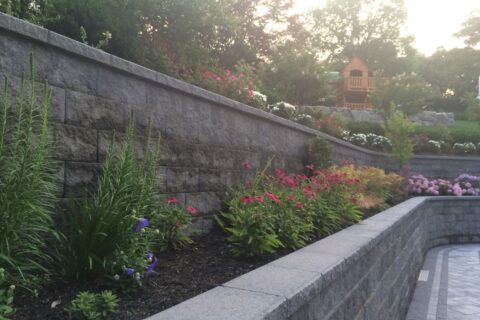
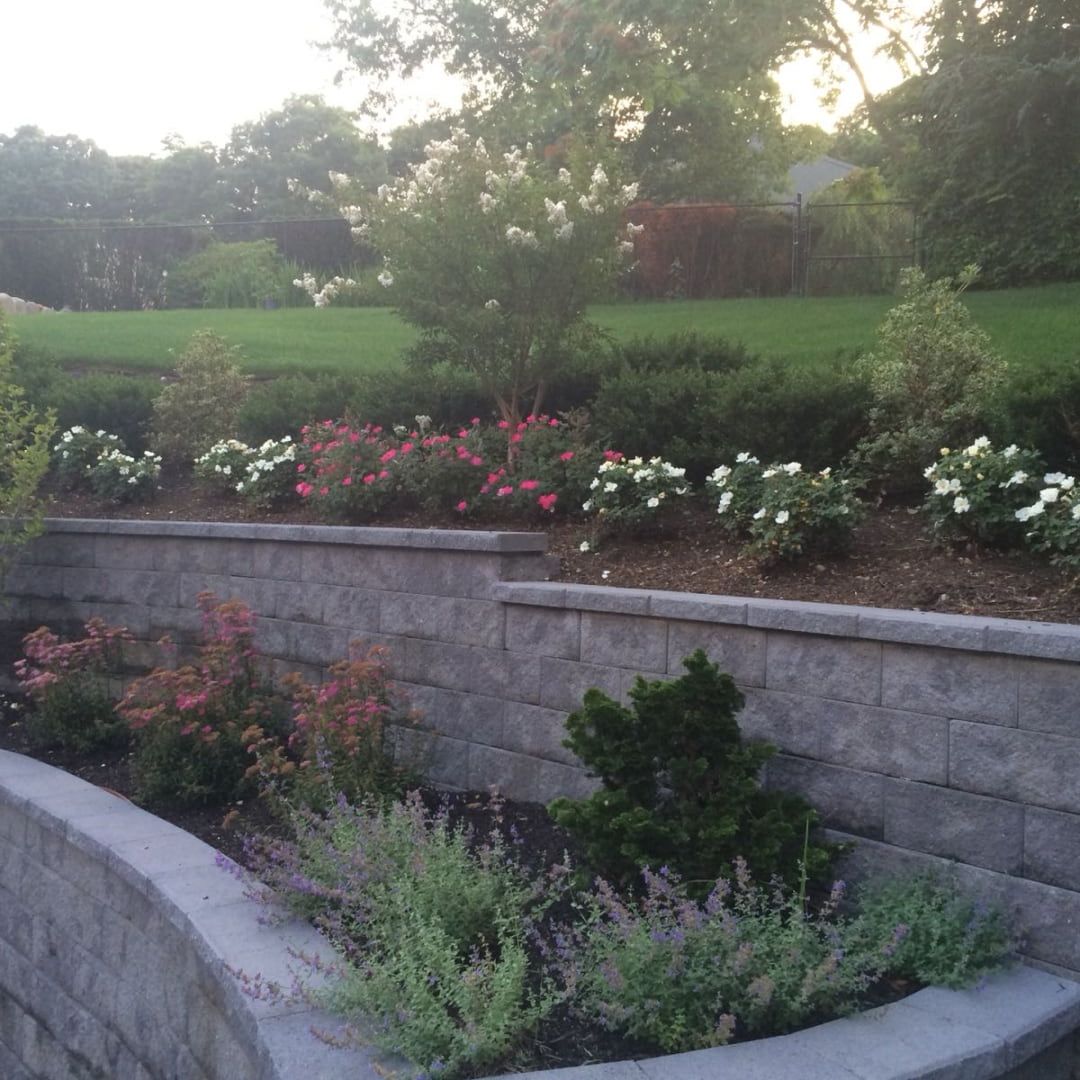
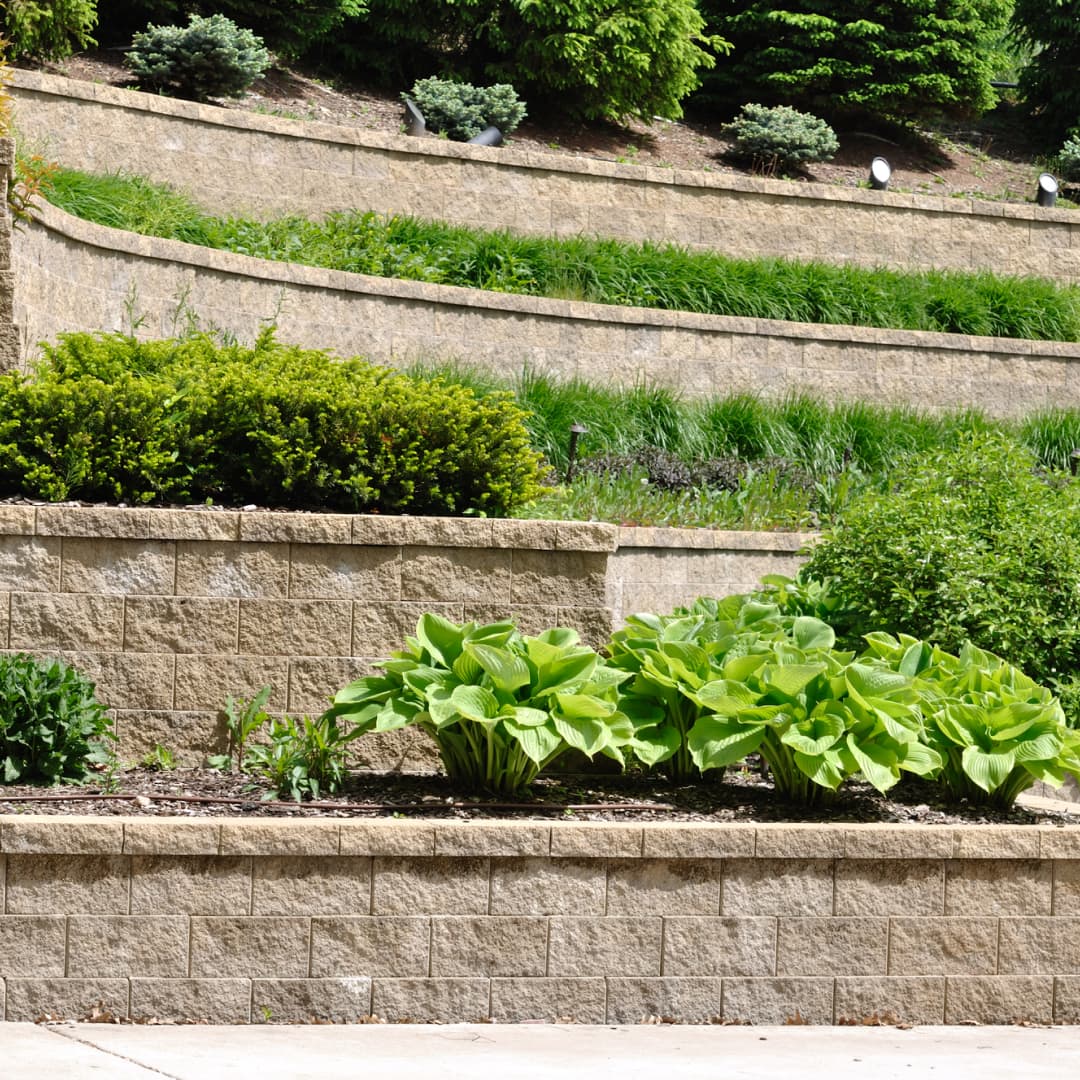
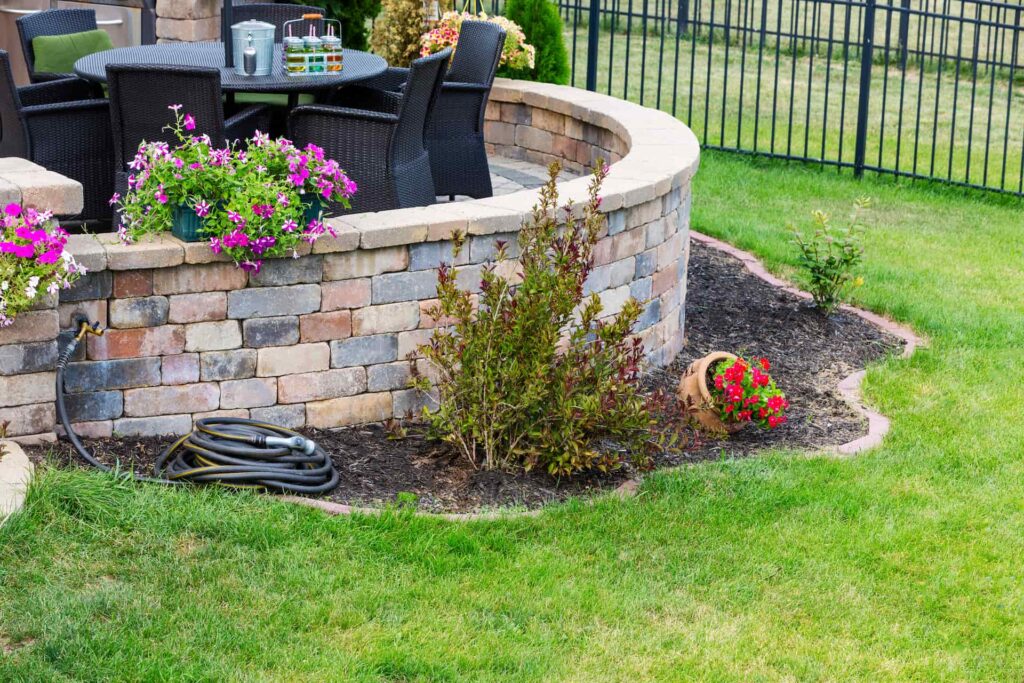
One of the first major projects for many homeowners in New Jersey is backyard landscaping. Very often, landscaping will require the use of retaining walls where the owner may want to cut back sloping grades. Paver retaining walls are also often used for raised flower beds or gardens.
Here at Omega Paving & Masonry LLC, we focus on functional yet aesthetically pleasing retaining walls. We have built retaining walls all around the New Jersey area for over 20 years. We aim to give our clients retaining walls and paver installations that they can enjoy for decades to come.
Whether you are looking for that beautiful stucco-style garden wall, that fabulous retaining wall or a stunning outdoor masonry fireplace, we can help. Our business is built on customer satisfaction and producing great results, we are licensed and insured and all our work is guaranteed for your peace of mind.

Professional Retaining Walls & Masonry contractors
Affordable Retaining Walls & Masonry New Jersey
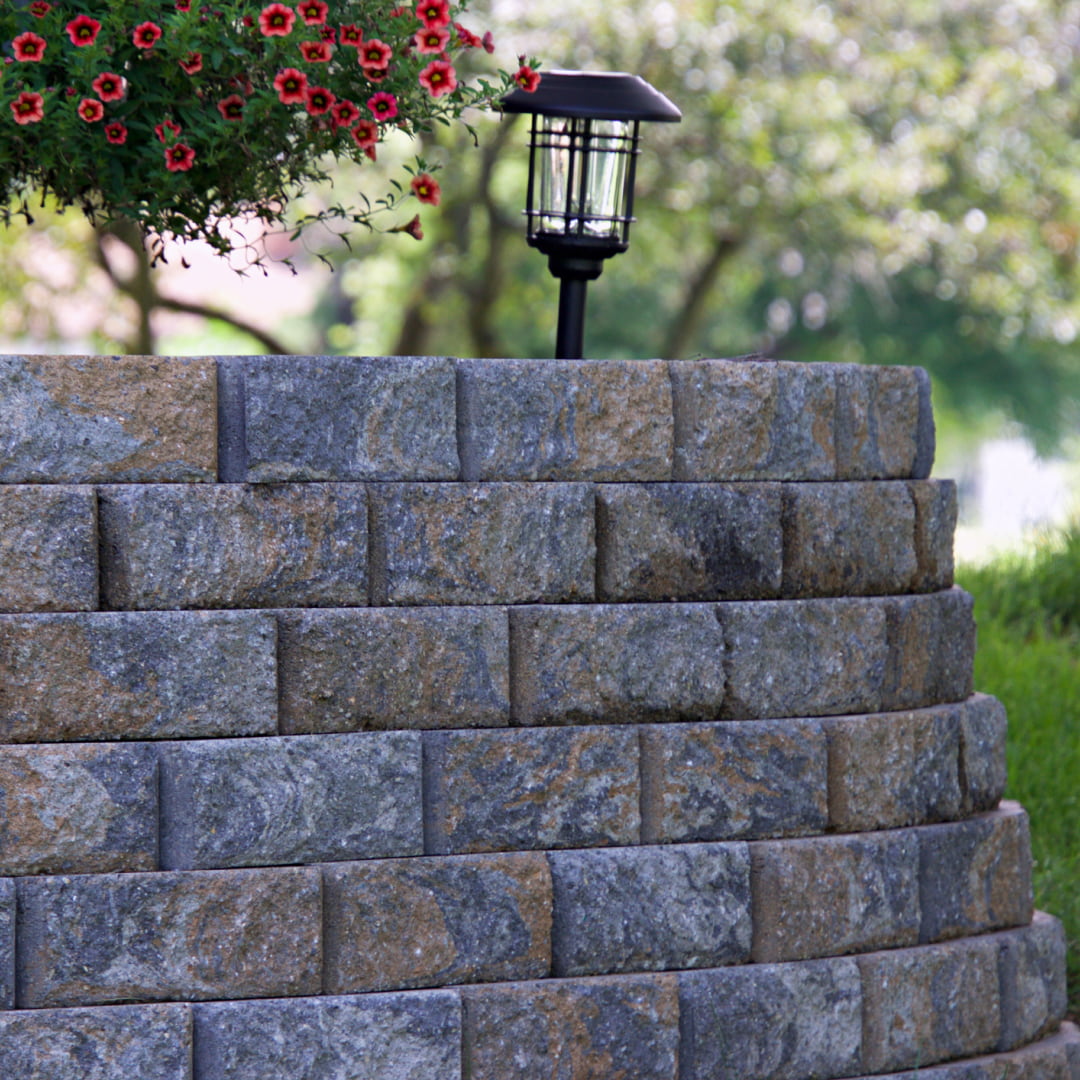
Our masonry walling team are qualified at designing and building any style and size of masonry walling. From stucco style walling and decorative walling to attractive retaining walls. In the garden area, beautiful decorative walls can bring character and a real sense of style to any property.
Using only the finest materials and installation techniques, we provide masonry walling solutions to suit your needs and budget. We have been providing quality retaining walls in New Jersey for many years and are your number one choice for all your masonry walling in New Jersey.
Qualified Retaining Walls Specialists
Trusted Retaining Wall Contractors New Jersey
Brick and stone structures are becoming increasingly popular in the hardscaping industry and the retaining walls that we install will provide functionally and beauty to your home. Our licensed hardscaping experts can help you design, develop, and establish an outdoor living space that is luxurious and practical.
Our outdoor retaining walls represent a viable alternative to traditional hardscaping solutions. They provide you with plenty of decorative flexibility and our installations can be completed in a matter of days. Through our concrete and hardscaping services, you can enhance and modify your existing outdoor areas and coordinate an installation process that will completely transform your property.
Specialist Retaining Walls company
Recommended Retaining Wall Specialists New Jersey
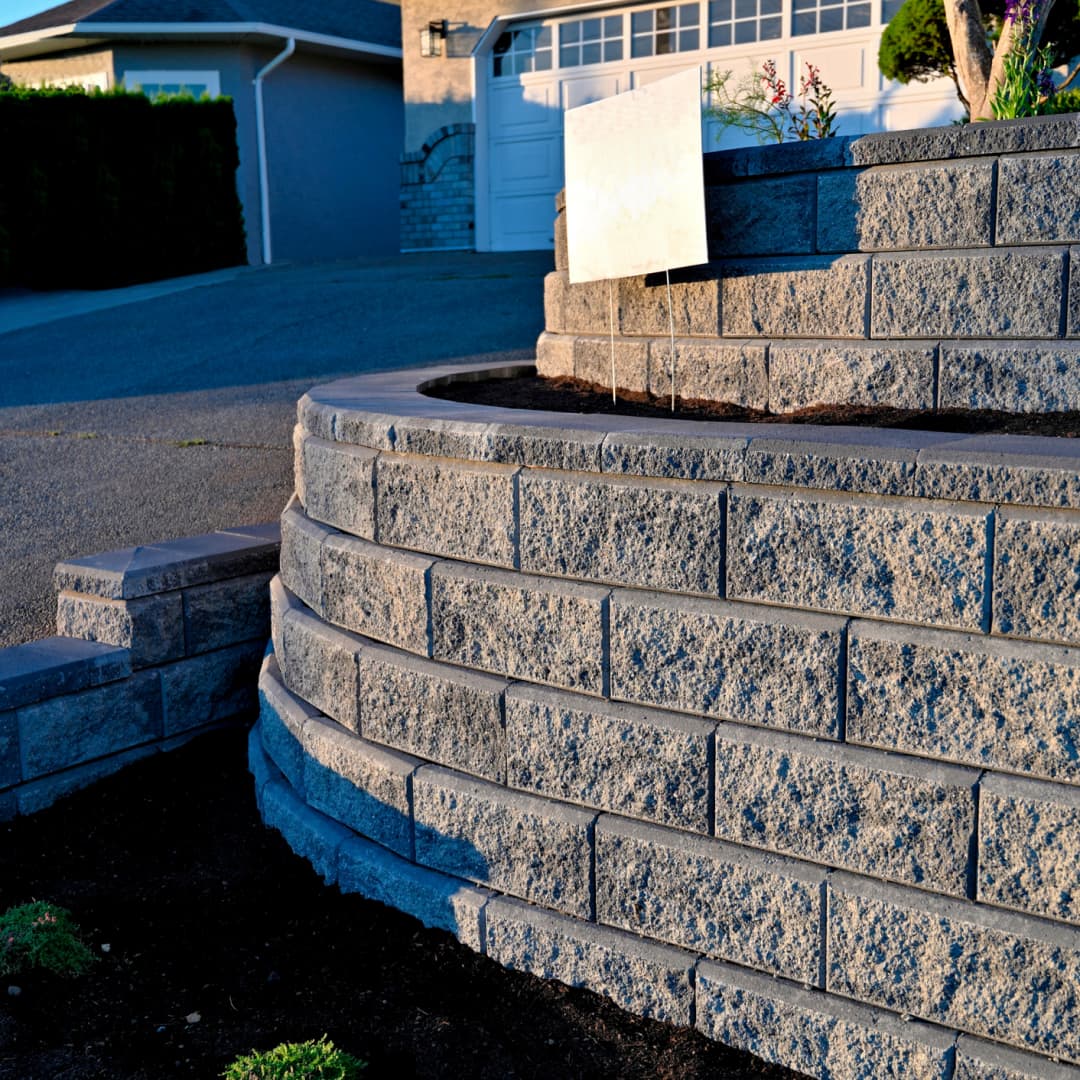
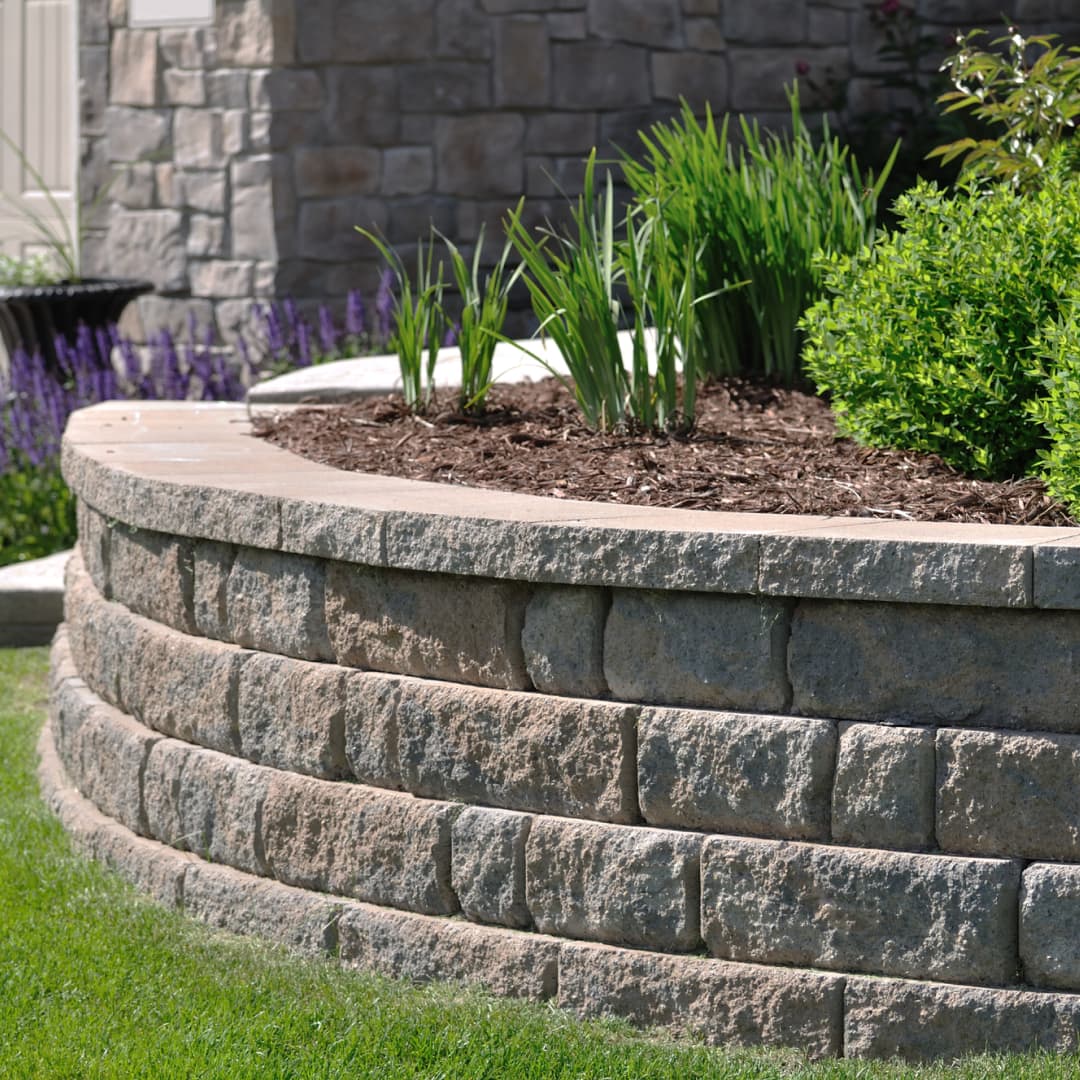
Retaining walls are constructed for New Jersey area homes and businesses for several reasons. They are aesthetically pleasing and practical additions as planters, terraces, seating walls or any other structure in which soil needs to be securely held in place at or above ground level.
Whether building customized retaining walls for ornamental tree planters, creating an elevated garden bed, building a retaining wall along a hill or ridge, or something completely different, we ensure every project we carry out enhances the functionally and beauty of its surroundings.
We design and install customized retaining walls for homeowners and business owners throughout the New Jersey area and can expertly and cost-effectively elevate your outdoor functionality and curb appeal. Our materials are available in a beautiful selection of colors, styles, and finishes to suit your unique needs.
Ready to start your journey with us?
Get a free quote today.
Great Prices on all Jobs
We offer the unbeatable offers to all our customers and always provide high quality work at an affordable price. Give us a call on (908) 887-3295 or send us an email to johnnymurphyere@icloud.com for any available slots.
100% Work Guaranteed
All our asphalt, masonry and paving works are long-lasting and fully guaranteed. This is to give you a peace of mind so you can relax knowing your driveway and patios are covered for years to come.
Expert Paving Specialists near me
Why choose Omega Paving & Masonry LLC for your retaining walls in New Jersey?
Most of our work comes from recommendation by existing customers, which is a testament to our level of service and workmanship.
Our clients benefit from a skilled workforce with a track record of integrity and professionalism and all our masonry and retaining wall services are of high quality and cost effective.
With our commitment to quality and reliability, competitive prices, and our guarantees, we remain the preferred retaining wall and hardscaping contractors in New Jersey.
You can rely on our expertise and professionalism when it comes to quality retaining wall solutions.
- Qualified and experienced staff
- All work guaranteed
- No call out charges
- Competitive local pricing
- Free site surveys
- No obligation quotations
- Fully licensed and registered local company
- Reliable, trusted, and friendly staff
- Installation, maintenance, and repairs
- Highly recommended
FAQs for Paving
Retaining walls are structures intended to withhold soil, rocks and other natural elements laterally, restraining the materials to a slope they would not otherwise keep. Traditional gravity walls rely on their own weight and setback to support the soil’s pressure behind them, preventing them from toppling over.
If you’ve lived in New Jersey for more than a year, you already know one thing: our weather has a personality and it’s not always friendly.
One week it’s humid enough to feel like a sauna, the next we’re scraping ice off the driveway at 6 a.m. And if you’re anywhere near the shore, add salty air into the mix. All of that matters when you’re choosing masonry materials.
As experienced masonry contractors New Jersey homeowners rely on, we’ve seen what holds up and what quietly falls apart after a few winters.
“The biggest mistake we see? Homeowners choosing materials that look great on Pinterest but aren’t built for New Jersey weather.”
Let’s break down what actually works here and why.
Why New Jersey’s Climate Demands Smarter Masonry Choices
New Jersey sits in a humid continental climate, which means:
- Hot, sticky summers
- Freeze–thaw cycles in winter
- Heavy rain throughout the year
- Coastal salt exposure in many areas
According to the NOAA Climate Data for New Jersey, repeated freezing and thawing is one of the top causes of masonry cracking and failure if the wrong materials are used: https://njclimateresourcecenter.rutgers.edu/wp-content/uploads/2025/08/State-of-the-Climate-2024.pdf
That’s why local experience matters. A material that works in Arizona or Florida might struggle here.
Masonry Materials NJ Contractors Actually Trust (and Use)
Brick The Jersey Classic That Earns Its Reputation
There’s a reason you see brick homes standing strong in towns like Morristown, Montclair, and Princeton.
Brick handles moisture well, resists temperature swings, and when installed properly can last 50+ years.
“We still repair brickwork today that was installed before most of us were born.”
Best for:
- Home exteriors
- Chimneys
- Walkways
Concrete Block (CMU): Not Fancy, Just Solid
Concrete masonry units might not be flashy, but they’re dependable like that old pickup truck that never quits.
They’re widely used for structural walls and foundations because they’re strong, cost-effective, and easy to reinforce.
Best for:
- Foundations
- Retaining walls
- Structural support
Natural Stone: Built by Nature, Perfected by Craft
Bluestone patios. Fieldstone walls. Limestone accents.
Natural stone feels right in New Jersey because it’s been handling weather longer than any of us.
“Stone doesn’t fight the weather it ages with it.”
Best for:
- Patios
- Walkways
- Outdoor fireplaces
Stacked Stone Veneer: Big Style Without the Big Weight
If you love the look of stone but don’t need full-depth masonry, stacked stone veneer is a smart option.
It adds warmth and character without stressing the structure perfect for accent walls or fireplaces.
Best for:
- Exterior accents
- Interior features
Interlocking Pavers: Made for Freeze-Thaw Cycles
Ever notice how asphalt cracks after winter, but pavers often don’t? That’s because they move with the ground instead of fighting it.
Interlocking pavers are especially popular across New Jersey driveways and patios for that reason.
Best for:
- Driveways
- Patios
- Walkways
FAQs: Real Answers, No Fluff
What is a masonry contractor?
A masonry contractor specializes in building and repairing structures using brick, stone, concrete, and similar materials. More importantly, a good one understands local conditions — soil, moisture, and climate — not just materials.
What are the three types of masonry?
The three main types are:
- Brick masonry
- Stone masonry
- Concrete masonry
Each serves a different purpose depending on strength, appearance, and environment.
Does New Jersey require contractors to be licensed?
Yes. In New Jersey, contractors must register with the NJ Division of Consumer Affairs.
You can verify contractor registration here: https://www.njconsumeraffairs.gov/hic
“If a contractor won’t show you their registration, that’s your sign to keep looking.”
What are 5 examples of masonry materials?
Five commonly used masonry materials include:
- Brick
- Natural stone
- Concrete block
- Pavers
- Stucco (as an exterior masonry finish)
Final Thoughts: From One Jersey Homeowner to Another
Choosing masonry materials isn’t just about looks. It’s about how your home feels five, ten, twenty winters from now.
The right materials installed by experienced masonry contractors New Jersey residents trust save money, stress, and repairs down the line.
If you’re thinking about upgrading or repairing masonry, take a look at what local professionals offer here: https://omegapavingandmasonry.com/masonry-services/
Retaining walls are made from various materials depending on your needs and design preferences. Segmented pavers and bricks are standard low-profile retaining walls, often used to backfill gravel or soil. They can also be constructed with poured concrete or concrete blocks, both of which provide versatility and durability. Boulders and natural stones, including limestone and flagstone are often used for their durability and natural beauty.
Yes. Saturated soil due to inadequate draining is among the leading cause of retaining wall failure. Without drainage, wet weather can cause the ground beneath your wall to shift and slide, making it unstable or causing it to collapse. To prevent this, drill “weep holes” into the bottom of the building materials to allow water to pass through them without weakening the soil.
A retaining wall can be a smart upgrade—level a sloped yard, stop soil from sliding, create a clean garden edge, or protect a driveway from washouts. But retaining wall installation is not like laying a patio. If the wall isn’t designed and drained properly, it can start leaning, cracking, or bulging over time, especially in New Jersey with freeze/thaw cycles and heavy rain.
Here’s a clear, homeowner-friendly guide to choosing the right retaining wall contractors near you, with the exact questions to ask before you sign a quote.
1) Start with the “why” (because the right wall depends on the job)
Before you call contractors, get clear your goal:
- Holding back a slope (structural support)
- Creating a flat area for a patio, driveway edge, or walkway
- Stopping erosion and keeping soil in place
- Making the yard look cleaner (landscape edging)
Why it matters: a decorative wall and a structural wall are different animals. A good contractor will ask what the wall is supporting and what’s above it (driveway, walkway, fence, parking area). That load changes how the wall should be built.
Omega Paving & Masonry, for example, positions retaining walls as both functional and aesthetic, built across New Jersey for 20+ years.
2) Know the permit “trigger” in NJ (this saves headaches later)
In many New Jersey towns, retaining walls at or above 4 feet (or walls supporting slopes/driveways) often require permits and may need engineered plans. Local ordinances refer tospell this out, and NJ regulations also reference additional requirements for retaining walls/bulkheads at 4 feet or greater in certain regulated contexts.
What to do: Ask the contractor:
- “Will you pull permits if needed?”
- “Do we need an engineer for this height/location?”
A contractor who shrugs off permits is not the contractor you want.
3) Drainage is the #1 conversation you should hear
Retaining walls don’t usually fail because the blocks are “weak.” They fail because water builds up behind the wall, increasing pressure.
A simple but important example: weep holes (openings that let water escape) help prevent hydrostatic pressure from building behind the wall.
What good retaining wall installation includes (drainage basics):
- Free-draining gravel behind the wall
- Drain pipe at the base (where needed)
- Filter fabric to reduce clogging
- Weep holes or other water-release pathways (depending on wall type)
When you’re interviewing retaining wall contractors, if they don’t talk about drainage early, treat it as a red flag.
4) Ask what type of wall system they’re building
Not every wall is built the same, and the right solution depends on height, soil, and what the wall supports.
Common options:
- Segmental block walls (stacked blocks; can be reinforced with geogrid)
- Natural stone walls (beautiful, but still must be engineered/drained)
- Poured concrete walls (strong, often used for certain structural needs)
- Garden/landscape walls (shorter walls mainly for looks)
Your contractor should explain:
- Is this a gravity wall (relies on weight)?
- Is it a reinforced wall (uses geogrid, tiebacks, or engineered support)?
- What height range is safe for the chosen system on your site?
5) Pay attention to soil and compaction (this is where “good walls” are made)
Soil type matters more than most homeowners realize. Granular materials (sand/gravel) compact and drain better than clay-heavy soils.
What to ask retaining wall contractors:
- “What are you using for the base?”
- “How deep is the base, and how do you compact it?”
- “What are you using for backfill behind the wall?”
If the answer is vague (“we just level it and stack blocks”), that’s not enough.
6) Look for a contractor who designs, not just installs
A proper retaining wall installation should be planned for:
- Water flow
- Soil pressure
- Wall height and loads
- Tie-ins to driveway, patio, or landscape
- Long-term movement
Omega notes it provides design services and free on-site assessments for hardscaping projects (including retaining walls). Whether you use Omega or another contractor, the key is finding someone who takes the planning seriously.
7) The “good quote” checklist (what your estimate should include)
When comparing quotes from retaining wall contractors, don’t compare only the total price. Compare the scope.
A solid written quote should include:
- Wall type + materials (block/stone/concrete)
- Wall height and length
- Excavation and disposal details
- Base material + thickness
- Drainage plan (gravel, pipe, fabric, weep holes as needed)
- Reinforcement plan (if any)
- Finish details (caps, corners, steps, tie-ins)
- Timeline + cleanup
- Warranty (what’s covered and for how long)
If a quote is “one line” with no details, that’s a risk.
8) Questions to ask before hiring
Use these exact questions when interviewing contractors:
- How will you handle drainage behind the wall?
- What base depth and materials will you use, and how will you compact it?
- Will this wall need reinforcement (geogrid), and if yes, why?
- Do we need permits or engineered drawings at this height/location?
- How do you prevent the wall from leaning over time?
- What’s included in the price (excavation, disposal, drainage, caps, restoration)?
- What warranty do you provide, and what does it exclude?
A pro will answer these clearly without getting defensive.
9) Red flags (walk away if you see these)
Avoid retaining wall contractors who:
- Don’t mention drainage at all (or say “you don’t need it”)
- I won’t provide proof of insurance/licensing
- Push a same-day decision with pressure tactics
- Give a vague quote with no base/drainage details
- Can’t show local examples of similar walls they’ve built
10) A quick NJ homeowner example (to make this real)
Say your backyard slopes toward your patio and you want a 3–4 ft wall to create a flat seating area.
A “quick” installer might stack blocks and call it done.
A better contractor will:
- Evaluate how water flows during storms
- Use a proper compacted base
- Add drainage gravel and (if needed) a drain pipe
- Confirm whether your town requires a permit at that wall height
That’s how you get a wall that still looks straight years later.
Final thoughts
The best retaining wall installation isn’t the one that looks great on day one—it’s the one that stays straight, drains properly, and doesn’t need rebuilding after a few NJ winters.
These structures provide a range of benefits, adding function and visual appeal to landscape designs. While aesthetically pleasing, they also act as boundary lines between properties, prevent flooding and reduce soil erosion due to wind and rain. Terraced retaining walls are also ideal for those who live on slopes. The versatile structure can even be used to create gardens, flower beds and walkways, helping you use the space.
See how we work
Take a look at a quick video about our work
Want to Know More?
Get in touch with us via this form and we'll get back to you regarding your asphalt & masonry enquiry.